
Blockchain Investors: A Plain-Spoken Snapshot
If you’re a blockchain investor, this is a plain-spoken read that pulls history, trends, and tips into a simple snapshot. I’m just one person writing this from my own desk - not a company, not a team. I hold some BTC, ETH, and LTC, and I’ve put a bit of money in Olaf Carlson-Wee’s Polychain fund. That’s my full disclosure, straight up.
The goal here is to map why blockchain investors first turned to Bitcoin, how the tech shifted focus, and what today’s stablecoin and DeFi options mean for a portfolio. I’ll keep it quick, clear, and free of heavy jargon. You could read this years from now and it should still make sense.

Why Blockchain Investors Turned to Bitcoin
Back in 2008, someone using the name Satoshi Nakamoto published a paper called Bitcoin: A Peer to Peer Electronic Cash System. In it, they explained that the double-spend problem for digital money was solved by a shared database using cryptography, game theory, and computer science. Double spend is just the idea that a digital file can be copied and spent twice.
For blockchain investors, that was a big deal - it meant one party could send value to another without a bank or trusted third party sitting in the middle. Before this, digital cash was like a PDF file that could be copied, so a bank had to verify. Bitcoin flipped the model.
How Bitcoin Acts Like Cash
Think about buying a book on Amazon with a card. That’s digital cash, but the bank verifies it. Sending a bitcoin is more like handing a $20 bill to a hotdog stand. You give it over and you don’t have it anymore. That’s why Bitcoin was the first native digital medium for exchange of value.
Money is basically trust. Anything can be used as money, provided that there is mutual trust.
The value of money depends on our trust, not the paper or coin. Bitcoin showed blockchain investors that a network could carry this trust without a central boss. A blockchain is just a shared, distributed ledger. There’s the Bitcoin blockchain, the Ethereum blockchain, and many private ones.
Bitcoin Opportunity for Blockchain Investors
Bitcoin was the first killer app of the blockchain, sort of like email was for the web. It had a wild ride, with a huge crash and recovery over several years. The core idea survived - and that matters to blockchain investors who want something proven.
In places with sky-high inflation, folks use Bitcoin to pay for goods. It may act like gold, a hedge against instability. Satoshi set a hard rule: only 21 million bitcoins will ever exist, like a gold standard. Roughly two-thirds are out there now. Since it’s uncorrelated to stocks or bonds, a move in those markets doesn’t strongly hit Bitcoin. That makes it attractive in uncertain times.
I’ll say this plain: blockchain investors should note Bitcoin’s fixed supply and possible inflows could push price much higher over the long run. But nobody knows the day-to-day path.
Risks of Bitcoin Investment
Main risks to watch
- Scaling is slow - the Bitcoin blockchain handles about 7 transactions per second while Visa does thousands.
- Government rules are unclear. The SEC and EU have signaled plans to regulate, and Japan passed some laws.
- A few big holders - called whales - can move the market. Chinese investors hold a large chunk.
- You can’t spend Bitcoin at most everyday shops, like buying a coffee at Starbucks.
Shift to Blockchain Technology
Around 2014, technologists and blockchain investors shifted focus from Bitcoin to the underlying tech. Bitcoin and blockchain are not the same. Bitcoin is built on a version of a blockchain, but a blockchain is an open, decentralized ledger that records deals between parties without a central authority.
The ledger is time-stamped, transparent, and decentralized across many computers called nodes. Many said this tech could lower transaction costs just like internet protocols lowered the cost of connection. A stock trade can execute in microseconds but settlement takes a week due to middlemen. Blockchain could cut that.
Where Blockchain Gets Used
Early use cases beyond currency
- Supply chain tracking for companies like Microsoft.
- Hospital record sharing across providers.
- Music digital rights management for artists.
- Stock settlement and trade finance via startups like Chain and Ripple.
The frenzy made the word “blockchain” loose in meaning. Some private ledgers are just databases with a facelift, not truly open. Blockchain investors need to tell the difference.
Public and Private Ledgers
A public blockchain lets anyone read, send, and help confirm transactions. Bitcoin and Ethereum are the big examples. A fully private blockchain is run by one org - say Microsoft for its own supply chain. A consortium blockchain is controlled by a set of banks or firms for shared trade.
For blockchain investors, the type matters. Public chains offer openness; private ones offer speed for a single company. The jury’s still out on whether private chains truly beat normal databases.
Ethereum and Smart Contracts
Vitalik Buterin helped with Bitcoin code but got frustrated by its limits. In 2015 he launched Ethereum, a public blockchain 2.0 with a flexible programming language. Unlike Bitcoin, Ethereum can record loans, contracts, and other assets.
The token on Ethereum is called ether. It acts like gas for a car: programmers buy it to run apps. As more apps are built, demand for ether rises, and so can its price. This pulled in speculators and blockchain investors alike.
Ether is the gas that programmers need to purchase to run applications on the Ethereum blockchain.
Buying Ether as a Blockchain Investor
If there were to be a single blockchain to rule them all, many think Ethereum is likely, due to faster processing and corporate interest from Microsoft, UBS, and others. You can join by buying ether tokens. Big firms like its smart contract function for saving time and money.
But ether has no hard cap like Bitcoin. Over 89 million are in circulation with no fixed limit, which could weigh on price. That’s a fact blockchain investors should weigh. Still, the network’s flexibility is a draw.
Risks of Ethereum
Things that can hurt Ethereum
- A hack like the 2015 DAO event could crash the price due to open code.
- Scaling strain showed when a flood of ICOs clogged the network.
- Both Bitcoin and Ethereum use lots of energy by copying data on many nodes.
- The project relies heavily on founder Vitalik Buterin; a death hoax once sank price.
ICOs and Fat Protocols
Initial Coin Offerings became a hot trend. An ICO is a crowdfunding event where a team sells its own tokens on a blockchain, usually Ethereum. A token is like a share but without normal protections. The money funds new projects.
Some smart voices back the “fat protocols” idea. Old internet protocols like HTTP created value captured by apps such as Facebook. With blockchain, the protocol layer itself holds tokens that gain value as the network grows. Steem, a decentralized Reddit, pays contributors in tokens. That model attracts blockchain investors who want protocol-level returns.
This space is like virtual real estate for an internet of value. A developer can give contributors a stake in the land. It’s a shift that could help start-ups versus big tech.
Risks and Chances in ICOs
ICO caution list
- Retail investors face an info disadvantage; key talks happen in private Slack channels.
- Regulators like the SEC may step in and change the rules without notice.
- Insiders get pre-sold tokens and risk-free trades before the public round.
- Buying tokens is like penny stocks: very high risk, need VC-level skill to judge.
Blockchain investors can gain exposure through a diversified basket weighted to less risky assets like Ethereum and Bitcoin. The returns for some have been spectacular, but the bumps are real.
Stablecoins and DeFi for Blockchain Investors
Beyond Bitcoin, digital assets now include stablecoins and decentralized finance. A defi trading platform can run on decentralized crypto platforms that host dex crypto exchanges for direct peer deals. You might even keep a defi bank account to earn yield without a brick bank.
Some hope for crypto loans without collateral in the usa but that remains rare and unproven. Stablecoins pegged to the dollar let people tap phones to pay merchants, and custom stablecoins backed 1-to-1 by USDC are appearing for businesses. These tools cut costs and delay in moving value.
Tokenization lets a small investor own a slice of real estate, art, or wine for a few hundred euros. That’s a big opening for blockchain investors who once faced high bars. DeFi promises direct transactions with lower fees and more personal freedom.
Traditional Finance Meets DeFi
Big funds now mix old and new. A cme group cryptocurrency futures product lets people trade top coins in one contract. A hedge fund crypto approach is offered by firms like Pantera, and while a blockchain etf vanguard style fund isn’t named directly, passive options and specialized funds do exist for easier entry.
BlackRock launched a tokenized fund on Ethereum backed by U.S. Treasuries, paying daily dividends. That shows TradFi and DeFi blending. For blockchain investors, this means more ways to hold assets through familiar channels.
TON and Messaging Apps
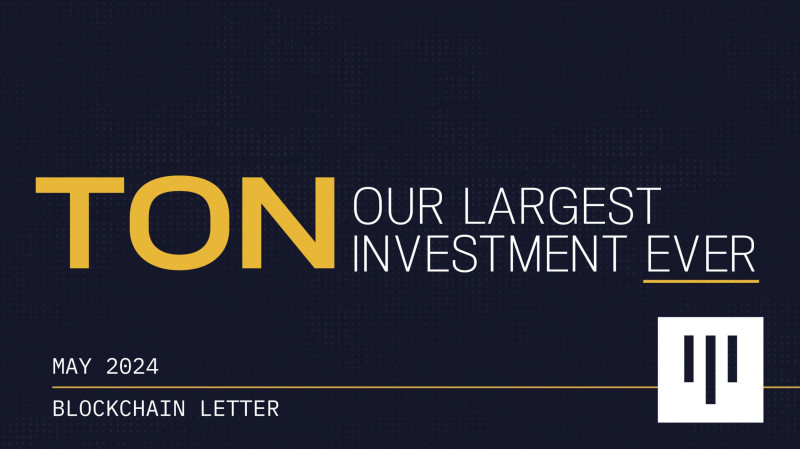
Telegram built a messaging app with over 900 million users and rolled out a blockchain wallet. Its network, TON, was originally designed by Telegram and continued by open source coders. Pantera Capital made its largest investment ever there, betting on mass adoption.
For blockchain investors scanning for the best up and coming crypto , TON stands out because it rides on a huge user base with near-zero marketing. Mini apps on Telegram already engage hundreds of millions, and native stablecoin payments cost about ten cents. new crypto listings often appear through these app ecosystems.

Web3 and Ownership
Fred Wilson moved his blog onchain to own his posts and identity via wallet. Chris Dixon wrote about Web3 phases: read, write, own. Blockchain networks let you own identity, money, art, and music instead of renting from a central site.
This shift matters to blockchain investors because value could accrue to users, not just Zuckerberg-style owners. It’s a slow build, like the early web, but the direction is clear.
Holding Versus Trading for Blockchain Investors
Day trading digital assets is a losing game for most. Sophisticated tech sits on the other side, and prices get manipulated. If you believe in the tech, buy at a fair price and hold. The IRS gives capital gains breaks for holds over a year, last I checked.
Custody is a real chore: private keys, tax, safekeeping. Many average folks use specialized funds or active strategies to get exposure without the headache. I think a thoughtful mix and patience beats chasing spikes.
A Note on NFT Safety
Fred Wilson once lost 46 NFTs to a fake mint link, recovering 38. The lesson: keep NFTs in a vault wallet and never sign transactions there. Use a separate mint wallet. Signing is risky business.
If money is simply a story that exists in the human imagination, then this space is certainly a story to watch.
Blockchain investors should treat every link and signature with care. The space is new, and opportunists roam. But the core promise of decentralized trust is a story worth following.


Comments on “Blockchain Investors: Mapping the Past, Present, and Future of Digital Assets”
No comments yet. Be the first to share your thoughts.