
Compare the Best Places, Apps, and Wallets to Buy Cryptocurrency
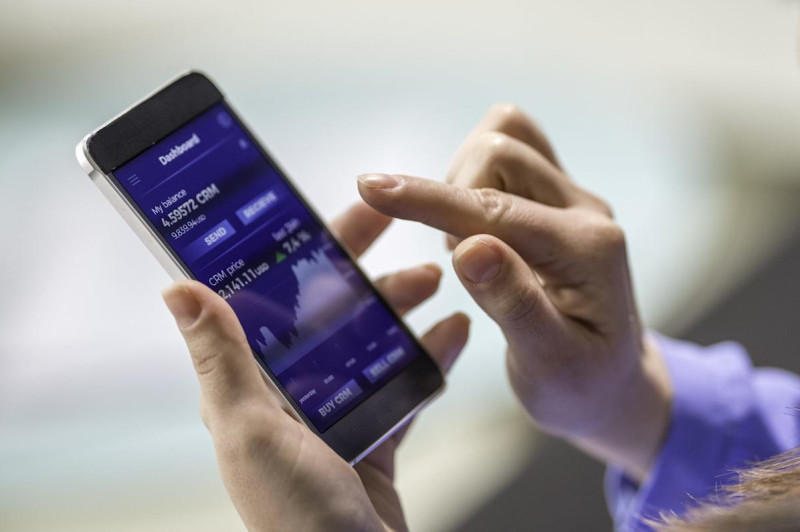
There is no single best place to buy cryptocurrency that fits every reader. A brokerage app may be easiest for a small first purchase. A trading exchange may give you more coins, pairs, and price tools. A self-custody wallet may matter most if you want control of the keys. So I don't rank platforms by logo or coin count alone. I start with the buying route: does the company hold the asset, does a partner handle the trade, or does the crypto go to a wallet you control? That choice drives the fee, the risk, and what you can do later. The fee and location facts below come from older assessments, so treat them as examples and check live terms before funding an account.
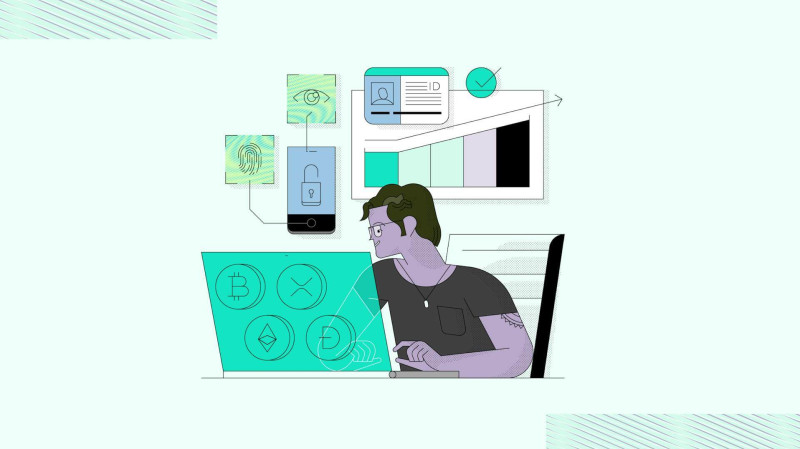
I also think beginners should compare three things first: the all-in cost, the payment method, and custody. Then check security, limits, and support. That order keeps the search from turning into a huge app download spree. It also makes it easier to spot a service that is not a fit, even if its app looks great.
What a Cryptocurrency Exchange Does
A cryptocurrency exchange works much like an online currency booth. You can give it government money, such as U.S. dollars or euros, and receive cryptocurrency. Some exchanges also let you trade one cryptocurrency for another. The hard part is that several buying models can live inside the same app.
Common ways to buy crypto
- A centralized exchange holds accounts, balances, and trades through the company.
- An exchange and wallet app lets you trade and keep assets in the same place.
- A brokerage-style app offers a simple buy screen beside stocks and ETFs.
- A partner marketplace compares offers from other crypto exchanges.
- A direct wallet service sends the purchase to an address you control.
These models can look similar on screen. They are not the same, though. A brokerage app may make buying easy but give you less control. A partner service may offer a good rate while adding another set of terms. A self-custody route can give you the keys, but it also makes key care your job.
What a Crypto Purchase Can Really Cost
A zero-commission label does not mean the trade has no cost. The number you see at checkout may leave out a spread, payment fee, markup, or partner charge. That is why I look for the total amount charged and the crypto amount received. Both sides matter.
Costs to check before buying
- Trading commission charged on the order
- Bid-ask spread between the buy and sell price
- Card, bank, or payment-processing fee
- Markup added to the displayed crypto price
- Currency conversion or foreign-exchange markup
- Partner, network, withdrawal, or delivery charge
- Revenue earned through order routing instead of a direct fee
When you search for cryptocurrency how to buy , you will see plenty of “no fees” claims. A crypto exchange app can still use a spread, so read the price preview before you approve the order. If you are making a best apps for crypto trading list, give extra points to apps with clear fee pages, plain order previews, and support that can explain the final charge.
Coinbase and Coinbase Pro
A beginner-focused assessment praised Coinbase for its clean screen. It let users view a portfolio, place orders, and track assets without a lot of setup. The source also described offline storage for most digital assets, two-factor authentication, and insurance for certain losses tied to an online-storage breach. Coinbase offered help articles, videos, quizzes, email support, and a support center for new users.
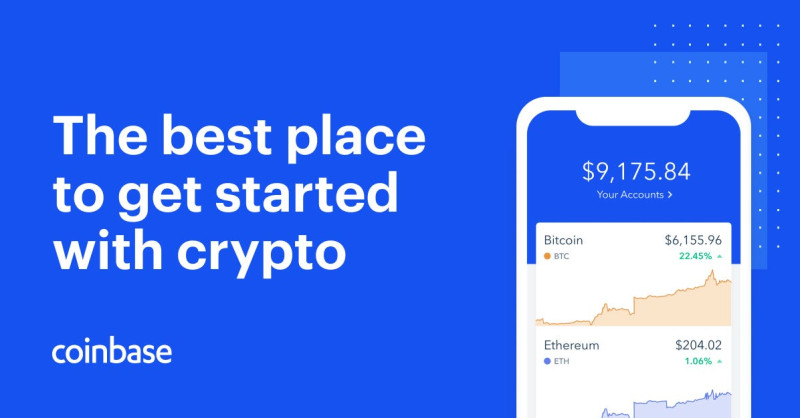
The fee figures I found were historical examples. Consumer fees were reported at 0.5% to 3.99% per trade, while Coinbase Pro was generally described at 0.5% or less. Coinbase Pro, formerly GDAX, was aimed more at experienced traders and had a longer identity check. Those are old product details, so check the app and fee schedule you would use now.
Coinbase comparison notes
- Beginner view: simple portfolio, orders, and asset tracking
- Reported consumer costs: higher for people used to low-fee brokerages
- Coinbase Pro: more trading tools, lower reported fees, harder setup
- Control model: Coinbase custody, with security steps described by the source
Robinhood and Webull
Robinhood often comes up in searches for Robinhood for crypto . Its app offered commission-free crypto trading beside commission-free stock and ETF trades. The source said Robinhood earned money through order routing, so no direct commission did not mean no trading cost. It also warned that gamified screens and prompts for frequent trades can push a person into poor decisions.
Webull was described as commission-free too, but the source reported a 1% crypto markup with a $1 minimum. More important, a balance in an app does not tell you whether you can withdraw the coin to an outside wallet. A reader raised that concern for Robinhood and Webull, but the comment was not a full legal review of either firm's terms. Read the custody and withdrawal terms yourself.
Robinhood and Webull points to compare
- Robinhood: no direct crypto commission in the source, with order-routing revenue
- Webull: no commission label, but a reported 1% markup
- Coin choices: both lists can change, so check the asset page before buying
- Withdrawal: ask whether the crypto can leave the platform for your own wallet
Not your keys, not your coins.
That short warning is not a claim that every brokerage account works the same way. It is a useful question to ask. If support cannot explain the custody and withdrawal rules, I would keep looking.
PayPal, Venmo, and Coinmama
PayPal and Venmo offered a familiar way to buy crypto without opening a separate exchange account. The source reported fees of about 1.5% to 2.3% and the same four assets for each service. That made them convenient choices for people who already used those payment apps, but it also meant a narrow coin list.
Coins listed for PayPal and Venmo
- Bitcoin
- Bitcoin Cash
- Ethereum
- Litecoin
Coinmama took a different route. It let buyers choose an external hot wallet or paper wallet instead of assuming the purchase had to stay in the company's system. The source described support for bank transfers, credit cards, and debit cards, along with a wide coin list and help with verification and orders.
Coinmama payment choices in the source
- SEPA or SWIFT bank transfer: larger orders and lower or no processing fee in some cases
- Credit or debit card: faster delivery but a payment-processing fee
- Card delivery could take as little as 20 minutes in the source example
- Bank delivery could take one to three business days
- Hot wallet or paper wallet: the buyer could choose the destination
If your question is how to buy cryptocurrency Ripple , Coinmama's old list included Ripple, but that does not prove a service, coin, or payment route is available to you. Check the live asset page, location rules, delivery time, and all fees before you choose. Cards may be faster, while bank transfers may allow larger orders.
BitPay and Self-Custody Delivery
BitPay offered two buying routes: its wallet app and an online widget. The app could show Bitcoin, popular crypto, and stablecoins. It could also pull offers from several marketplaces, send the purchase to a self-custody wallet, or import wallets from providers such as Coinbase, Exodus, and Trezor. Apple Pay was one of the payment choices, with support that varied by country, partner, and browser.
BitPay buying flow
- Choose the app or the online widget
- Enter the amount and cryptocurrency
- Select Apple Pay or another supported payment method
- Compare marketplace offers and choose one
- Confirm payment on the partner site
- Receive the crypto in the wallet address you entered
The self-custody part matters most here. BitPay said the user controls the cryptographic keys, rather than BitPay holding them. That can reduce dependence on an exchange, but it makes the wallet address, private key, and seed phrase your responsibility. BitPay's guide said Apple Pay did not add a separate fee, but it did not give a full schedule of partner, network, or location costs. The selected partner's terms still control the purchase.
eToro and Other Exchange Models
eToro is not just a plain order screen. It lets users copy the trades of another eToro user, and it includes watchlists, price alerts, charts, technical tools, and a community newsfeed. The source said it did not charge commission, but it did charge a spread. That spread could grow when markets were volatile. Copy trading may be social and easy to understand, but it can also spread another person's mistakes.
Exchange models in the source
- eToro: copy trading, social tools, and a bid-ask spread
- Kraken: operated since 2011, supported SEPA, and was described as fast with low rates
- Bitstamp: easy-to-use debit-card exchange based in Luxembourg
- Bitfinex: high volume and liquidity, no fiat support, and more complex tools
- Bittrex: many trading pairs in the source, with involved new-user checks
- LocalBitcoins: peer-to-peer deals between buyers and sellers
- Bitpanda: Austrian service described as simple, quick to verify, and low fee
A search for Kraken exchange facts should not turn into a blind pick. Compare the live fee schedule, payment methods, coin pairs, and withdrawal rules. The source named KuCoin exchange among major services but gave no fee, payment, or custody details, so I would not rank it from this material. For best crypto exchanges for U.S. buyers , location rules and whether you can withdraw your coins matter as much as the coin list.
Payment Methods and Purchase Limits
If you are asking how can I buy crypto currency , the payment method is part of the answer. A card may be quick but costly. A bank transfer may cost less but take longer. A peer-to-peer payment may open the door to fraud. A partner checkout may add another account or set of rules.
Payment routes to compare
- Bank transfer: often lower cost, but slower and tied to account limits
- Credit or debit card: fast, but often carries a processing fee
- Apple Pay, Google Pay, or PayPal: simple, but not offered everywhere
- Peer-to-peer payment: direct, but demands careful seller checks
- Partner bank transfer: useful when the app routes you elsewhere
- Local currency: may help with pricing, but check the conversion cost
Check the minimum purchase, spending limit, transaction limit, settlement time, and identity level before you send money. Coinmama's source material showed why this matters: card purchases had a lower limit and faster delivery, while SEPA and SWIFT transfers supported larger orders but took longer. Availability can depend on your country, wallet, and payment provider.
Wallets and Custody After Purchase
A wallet is more than a place to see a balance. It controls access to the asset through keys. The kind of wallet you use changes who can move the crypto, what happens if a provider fails, and whether you can use the asset outside that provider.
Common wallet and custody models
- Platform custody: the exchange controls the account and withdrawal process
- Hot wallet: connected to the internet and easy to use
- Cold or hardware wallet: keeps keys away from an internet-connected device
- Paper wallet: records keys on paper for later recovery or use
- Lightweight or full-node wallet: a lightweight wallet relies on others, while a full node checks blockchain rules itself
Coinmama allowed delivery to an outside hot or paper wallet. BitPay described a self-custody wallet and let users import other wallets. Coinbase's model placed most assets under company custody, with offline storage and support features described by the source. Before sending a large amount to a new wallet, make sure you understand its keys, seed phrase, backup, and recovery process. A balance you cannot withdraw is not the same as full control.
Identity, Security, and Location Checks
Reputable exchanges may ask for identity information, and that check can make setup slower. A quick sign-up is not always a good sign. Slow setup can mean the service is collecting more proof before letting you move money. The real question is what the provider does with your information and how it protects the account.
Security checks for a crypto platform
- Confirm the legal provider and the website address
- Read what identity documents and verification levels are required
- Turn on two-factor authentication when offered
- Check whether assets use offline or online storage
- Find out whether the platform or user holds the keys
- Test the withdrawal process before funding a large balance
- Look for a support address, license record, and clear complaint process
BitPay's source listed a New York State virtual-currency license and NMLS ID 1496848. Coinbase Pro was described as having a lengthy check, while Bitpanda was described as having a faster one. The source also reported location limits for Robinhood and Bitstamp. Those are historical examples, so check your own country and state before signing up. Never send money to an unverified provider or disclose personal information to a stranger who claims they can unlock your funds.
Researching a Coin Before Buying
Learning cryptocurrency how to invest starts before you choose an exchange. A coin can have a low price and still have a large market value. A cheap-looking token can also have weak liquidity or little real use. The unit price alone tells you very little.
A plain crypto research checklist
- Understand Proof of Work, Proof of Stake, and other consensus rules
- Know whether the asset is a coin, token, or stablecoin
- Check whether it runs on a Layer 1 or Layer 2 network
- Learn how private keys, public keys, and seed phrases work
- Compare centralized and decentralized exchanges
- Read market capitalization and trading volume together
- Study the project's technology, use case, liquidity, and trading pairs
- Check market cycles, taxable events, and rules for holding periods
Coin Bureau was described as a good educational starting point, and r/Cryptocurrency was described as a place to find both sides of a coin question. The source warned that some market-news hosts promote low-cap coins they own. Do not buy a coin because a YouTube host, social-media personality, or friend mentioned it. Check the project yourself. A list of coins in a learning guide is not a promise that any one of them will rise.
Time in the market beats timing the market.
Loss Risk, Allocation, and Taxes
The source repeatedly warned that cryptocurrency can move sharply. It cited drops of 50% and much larger losses when a project lost support. A large gain can vanish just as fast. That is why the buying platform and the amount you buy are separate decisions. A safe app does not make a risky asset safe.
Money checks before you buy
- Use only money you could afford to lose
- Keep crypto from blocking bills, emergency savings, or retirement goals
- Decide your limit before watching a coin become popular
- Review the possible tax event before selling or transferring
- Check whether your local tax rules include a wash rule
- Do not let app prompts push you into frequent trading
Crypto assets are highly volatile and largely unregulated. Crypto assets are at risk of losing substantial (or all) value within a short time period.
That warning came from Coinmama's material. One source framework described a 5% to 25% allocation for someone who strongly believed in crypto, while another planner targeted no more than about 3% to 5%. Those were personal frameworks, not rules for every reader. Tax treatment depends on your location, account type, transaction, and local law. A sale or some transfers can create a taxable event, so check the rules where you live or ask a qualified tax pro.
My Platform Check Before I Choose
When I compare the best place to buy cryptocurrency, I use the same pass for an exchange, app, or wallet service. I write down the answers instead of trusting the app's headline. That keeps the choice tied to your money, your location, and your control.
My final crypto platform check
- Confirm the provider and website are genuine
- Read the full fee, spread, markup, and payment-cost breakdown
- Check whether the coin and trading pair are supported
- Compare purchase limits, delivery speed, and identity rules
- Confirm that the service works in your country or state
- Find out whether the platform or you controls the keys
- Check withdrawal, transfer, and partner-process rules
- Look for two-factor authentication, storage details, and support
- Research the coin's technology, market cap, volume, and risks
- Set an amount that will not harm your life if it disappears
- If any core check fails, choose another provider and walk away
Comments on “Compare the Best Places, Apps, and Wallets to Buy Cryptocurrency”
No comments yet. Be the first to share your thoughts.