
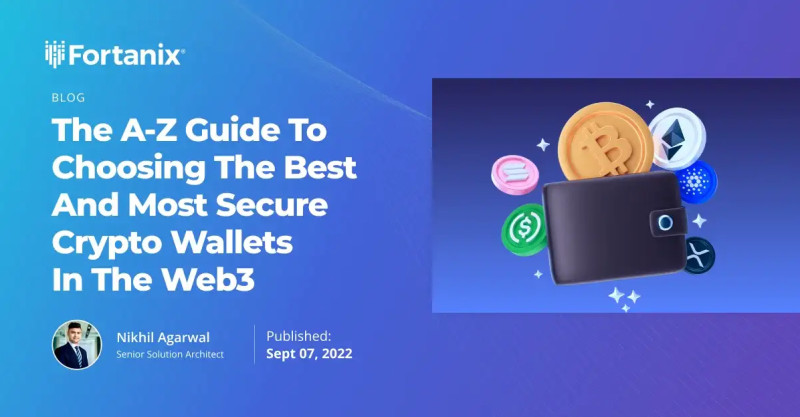
What a Cold Wallet for Crypto Is
Let’s start with the basics. A cold wallet for crypto is a storage approach that keeps your private keys offline. Those keys are the secret bits that let you send and prove ownership of your coins. Because the keys never touch the web, bad actors can’t grab them by hacking your computer or phone. That’s the core idea behind cold storage - the word “cold” simply means not connected, not hot. I like to think of it as a locked safe in a shed away from the city.
In my experience, people call this cold storage because it isn’t warmed up by an internet connection. Plain and simple, a cold wallet for crypto is just a safe spot for those secret codes. Your coins live on the blockchain, but the proof of ownership stays in your hands, off the grid. New users often get tripped up thinking the coin itself sits inside the wallet. That’s not how it works at all. The coin is always on the public ledger; the wallet only holds the power to move it.
So when I say cold wallet for crypto, I mean a tool that guards those keys far from prying eyes. It might be a small device or even a piece of paper. The key point is no network link. I’ll break down the types later, but the core is offline - and that’s exactly what makes it resilient against the attacks that hit online wallets daily.
One more thing worth saying: a cold wallet for crypto doesn’t need to be fancy. It just needs to do its job without touching the net. If you’re holding any amount of coin for a long stretch, that’s the bed I’d pick. The rest of this post digs into how wallets work and why cold is a calm choice.
How Crypto Wallets Work
To understand why a cold wallet for crypto matters, you need to see how any wallet works. A crypto wallet acts like an email account for digital money. When someone sends you coin, they create a signed record that points to your wallet address. The blockchain updates to show you own it. No token moves through physical space - the ledger simply changes the name on the record.
There are two key strings. A public key is like your account number - you share it to get paid. A private key is the secret password that signs outgoing sends. Lose the private key and you lose the power to move funds. That’s why a cryptocurrency wallet key is such a big deal for safety. The wallet checks that the two keys match before it shows a balance change.
What a wallet does day to day
- Stores your public and private keys
- Shows your balance from the public ledger
- Signs transactions when you send coin
- Connects to blockchain networks to read records
Wallets are like bank accounts.
The wallet is a record keeper, not a safe deposit box. I like this simple view because it keeps the mind clear about where the risk sits. The risk is in the key, not the coin. So any wallet type - hot or cold - lives or dies by how it treats that key. A cold wallet for crypto puts the key somewhere no hacker can reach by wire.
When you receive crypto, the sender uses your public key to aim the funds. You don’t need to click anything; the blockchain does the rest. But to spend, you must use the private key to sign. That signature proves you’re the owner. Lose the key and the record stays locked forever. This is why I keep hammering on keeping it offline.
What Are Cold Wallets Compared to Hot Wallets
Now let’s look at the split. what are cold wallets is a common search for newcomers. Simply put, cold wallets stay offline. Hot wallets stay online all the time. The online ones are quick for trades but open to attacks; the offline ones are slower to use but shut out remote thieves. Both can hold the same coins, but the safety profile is night and day.
I keep a small amount in a hot wallet for daily spend; the bulk goes to a cold wallet for crypto hold. This tiered approach is smart - it limits damage if one part gets hit. The saying in the space goes: not your keys, not your coins. With cold storage, you hold the keys. With hot on an exchange, they might hold them for you, which is a different risk.
Hot vs cold at a glance
- Hot wallets connect to the internet always
- Cold wallets keep keys on disconnected devices
- Hot wallets are free and easy to set up
- Cold wallets often cost money but give peace of mind
Not your keys, not your coins.
Both types can be non-custodial, meaning you control the keys. But a hot wallet on an exchange is custodial - they hold the keys, not you. That’s a risk I avoid for big sums. For long hold, a cold wallet for crypto is the better bed. I sleep better knowing my savings are on a device in my drawer, not on a server somewhere.
Some folks use a warm wallet too, which we’ll cover. But the base choice is hot or cold. If you trade a lot, hot is fine for the active pile. If you save, cold is the rule. I tell friends: don’t put your rent money on a hot wallet. Keep that in a cold wallet for crypto and only move what you need.
Cold Storage USB and Hardware Devices
The most common cold wallet for crypto is a hardware device. People call it a cold storage usb because many look like a USB stick. You plug it in when you need to move funds, then unplug. The keys never leave the device during signing. That physical step is what blocks remote theft.
Brands like Ledger, Tangem, Arculus, Trezor, and KeepKey make these. If you compare models, you might read about trezor safe 5 vs 7 to see which fits. Also a onekey secure crypto wallet shows up in shops as a simple pick. For top offline guard, look at the best air gapped cold wallet that never wires to a network at all. That means no Bluetooth, no USB live link, just a screen and buttons.
Hardware wallet traits
- Devices are air gapped or pulled from networks
- Transactions need manual approval on the device
- Keys never touch the internet
- Supports many blockchains and tokens
These devices run from fifty to over two hundred bucks. That’s a small price for the safety of a large hold. I say buy direct from the maker to avoid tampered gear. And keep your seed phrase separate from the device - a rule I follow strictly. A cold wallet for crypto is only as good as its backup.

The crypto storage wallet you pick should feel right in hand. Some have screens, some have buttons. The point is you confirm each send on the device itself. No remote click can fake that. I like that the cold wallet for crypto makes me slow down. Slow is safe when money is on the line.
One note: hardware wallets can link with hot wallet apps. You keep the bulk cold, but use the app to see balances and make send requests. The device still signs. That mix gives convenience without giving up the key - a solid plan for most people who want a cold wallet for crypto but also like to check their phone.
Paper Wallets as Cold Storage
A paper wallet is a low-tech cold wallet for crypto. It’s a sheet with your public address and private key printed or written, often as QR codes. It’s fully offline, so no software bug can hit it. You can make one with a printer and no special gear.
But paper is weak to physical harm. Fire, water, or a lost drawer can kill it. I’d only use this for a tiny long hold, with copies in safe spots. You can’t send from paper directly - you must scan it into a software wallet first. That step exposes the key to a device, so do it carefully.
Paper wallet pros and cons
- Pros: no digital trace, free to make
- Pros: immune to online malware
- Cons: easy to damage or misplace
- Cons: must import to software to spend
So paper is a backup at best. The main cold wallet for crypto most folks use is hardware; paper is just a quaint cousin. If you go paper, write with pen, not pencil. Store in a safe or a bank box. And don’t snap a pic - that defeats the offlineness.
I once read about folks who lost thousands because a paper wallet got washed. Sad stuff. A cold wallet for crypto in hardware form avoids that fragility. But if you want zero cost, paper can teach the concept. Just know the limits.
Warm Wallets Sit in the Middle
There’s a third kind called warm. It stays online but adds extra steps like two-factor codes. Not as quick as hot, not as safe as cold, but a fair mix. A warm wallet might use a secure chip to isolate keys while still being on the net.
For some, a warm option from a provider adds a second check without a physical device. That can help if you want a safest wallet crypto feel but still fast access. I see it as a middle shelf: not the vault, not the counter. You might use it for a moderate sum you touch now and then.
Warm wallet notes
- Keys stay online but need multi factor approval
- Reduces single point of failure
- Still has internet exposure risks
- Can add complexity for new users
If you hold a moderate sum and trade sometimes, warm may fit. But for big savings, I still point to a cold wallet for crypto. Warm is a step up from hot, but it’s still connected. Any link is a thread a hacker can pull. I keep warm for the middle pile, cold for the base.
The source mentions a non-custodial warm wallet that uses time-based codes in a secure space - a user-friendly twist. But the core lesson stands: a cold wallet for crypto removes the link entirely. That’s the gold standard for long hold.
Custodial vs Non-Custodial Wallets
Who holds the keys? That’s the big split. Custodial means a third party like an exchange keeps your private key. Non-custodial means you do. With a cold wallet for crypto, you’re usually non-custodial. You own the device, you own the seed.
I like non-custodial because no middleman can sign for me. But it means I must back up my seed phrase. Lose it, lose the coin - that’s the trade. The source text says self-custody aligns with “not your keys, not your coins.” True words. A custodial hot wallet on an exchange is easy until they get hacked or freeze your account.
Custodial vs self held
- Custodial: exchange holds keys, easy recovery
- Custodial: you trust the provider's security
- Non-custodial: you hold keys, full control
- Non-custodial: you own backup duty
Some new tools mix both. They let you keep keys but add a provider check for sends. That’s a warm style. But the core cold wallet for crypto stays pure self hold. I prefer that for my savings. The less hands on my key, the better I feel. Sure, I take on the backup job, but that’s a fair trade for freedom.
If you’re new, a custodial wallet might teach you the ropes. But move to a non-custodial cold wallet for crypto once your pile grows. That’s the path most savvy users walk. No shame in starting small, just plan the move.
Why the Cryptocurrency Wallet Key Matters
I can’t stress this enough. The cryptocurrency wallet key is the thing that proves ownership. If someone gets it, they can send your coin away. If you lose it, no one can help you get back in. There is no forgot-password button on the blockchain.
This is why a cold wallet for crypto is built to shield that key. Offline storage means no phishing site can scoop it. No malware can read it from a connected drive. The key stays in a locked box. Even if your computer is full of viruses, the key never sits there.
IF YOU DON'T HAVE YOUR KEYS, YOU DON'T HAVE YOUR BITCOIN.
That line gets shouted in the community for a reason. It applies to all coins, not just BTC. I keep it in mind when I pick any storage. The key is the kingdom. A cold wallet for crypto puts the kingdom in your pocket, off the net. Treat it with care and you’re ahead of most.
People sometimes share their public key to get paid, that’s fine. But the private key must stay secret. I’ve seen folks paste it in a chat by mistake. Game over. The cold wallet for crypto helps because the key never leaves the device to be pasted. That’s a simple win.
Picking the Safest Wallet Crypto Option
When you shop for the safest wallet crypto setup, think about your habits. Do you trade daily? Then hot for small cash. Do you save large? Then cold for the pile. The best wallet for cryptocurrency is the one that matches your life and risk. No single product fits all.
I tell friends: look at cost, coin support, and ease. A cold wallet for crypto should support the tokens you hold - Bitcoin, Ethereum, Solana, stablecoins, etc. If you add more later, the device should handle them. A wallet that only does one chain may box you in.
Questions to ask before you buy
- How often do I trade or spend?
- What coins do I need to store?
- How much am I willing to spend on gear?
- Do I need staking or DeFi features?
Answer those and the path clears. Most times, a mix of hot and cold wins. Keep a little hot, rest cold. A cold wallet for crypto is not for daily coffee buys, it’s for the savings. That’s how I frame it for newcomers.
Don’t fall for fancy ads. The safest wallet crypto is the one where you control the key and keep it offline. A plain hardware device beats a hyped app every time. I’d rather have a boring cold wallet for crypto than a slick hot one with my life savings on it.
Use Cases for a Cold Wallet for Crypto
Different folks need different setups. But a cold wallet for crypto shows up in almost all smart plans. Retail users keep daily spend hot, savings cold. High freq traders move profit to cold often. The pattern is old but solid.
Exchanges and funds keep most treasury in cold vaults. Family offices like cold with a qualified custodian. The pattern is clear: if value is big and time is long, cold is king. Even a small holder benefits by moving coins off exchange after a buy.
Who should use cold storage
- Retail investors with long term savings
- High frequency traders parking profits
- Exchanges holding reserve funds
- Family offices and crypto funds
I follow the retail path myself. Small hot for coffee, big cold for rain day. It just makes sense. A cold wallet for crypto is not just for whales. If you have more than a week’s spending in coin, get one. The cost is low next to the risk.
One more use: inherit planning. If you store keys right and leave seed to kin, they can claim. Hot exchange accounts can be lost if the site shuts. Cold gives you that control. I think that’s a calm benefit worth noting.
Security Best Practices for Cold Storage
Buying a cold wallet for crypto is step one. Using it right is step two. Write your seed phrase on paper or metal. Store in multiple safe places. Never snap a pic on your phone. That’s a leak waiting. A seed in the cloud is a seed in someone else’s hand.
Enable extra checks where you can. Use a TOTP app for warm layers. Beware phishing links that mimic wallet sites. Double check send addresses. These habits save coins. A cold wallet for crypto blocks remote steal, but you can still approve a bad send if fooled.
Cold safety habits
- Secure seed phrase offline in durable media
- Enable multi factor on any hot or warm layer
- Use hardware wallets for large holdings
- Practice tiered storage with small hot balance
Keep your seed phrase offline.
Also update device firmware from the maker. Old code can have holes. And test your backup by restore once. I did that and slept better. A cold wallet for crypto is only safe if the backup works. Don’t assume, test it on a spare device if you can.
Watch out for fake wallets in app stores. Get the link from the maker site. And don’t type your seed into any computer prompt. The whole point of a cold wallet for crypto is the key stays on the device. Break that, and you might as well use hot.
Advanced Options Like MPC and Multisig
Beyond basic cold wallet for crypto, there are clever schemes. MPC splits a key among parties so no one holds all. Multisig needs many signs for a send, like 2 of 3. HD wallets make many addresses from one seed. These help teams and big funds.
But for a solo person, a simple hardware cold wallet for crypto is enough. Still, it’s good to know the blockchain best wallet talk includes these techs. They show the space keeps building layers. MPC can feel like cold level safety with faster access, but it’s not a replacement for a plain offline device for many.
Advanced wallet types
- Multi Party Computation splits the key
- Multi Signature needs several approvals
- Hierarchical Deterministic makes tree of keys
- Non custodial warm adds second factor in secure chip
I won’t dive deep, but the take is: cold is base, these add layers. Choose based on need, not hype. A cold wallet for crypto with a seed phrase is the root most of these build on. Learn that first, then explore. I like the simple path before the fancy one.
Multisig is great for shared accounts. If two friends hold coin, both sign. That stops one from running off. But it adds steps. For my own stash, a single cold wallet for crypto is fine. Your mileage may vary.
Common Questions on Cold Wallets
Folks ask me stuff all the time. Is cold more safe than hot? Generally yes, due to offline nature. But a cold device with sloppy access can still fail. Setup matters. A lost seed ruins both types, but cold forces you to own that risk up front.
Can you use both? Yes, most do. Hot for speed, cold for reserve. That hybrid is standard. And no, MPC does not kill cold; it complements it. The source says exchanges use MPC for ops but keep cold for vault. Smart split.
Quick FAQ
- Cold wallets resist online threats by being offline
- You can pair cold with hot for daily use
- Hardware wallet is self managed cold device
- MPC wallets add control but don't replace cold
The crypto storage wallet space has many terms. At the end, it’s about control of keys. I hope these answers help. A cold wallet for crypto is not magic, it’s just discipline made hardware. Keep the key off net and you’re most of the way there.
Another question: can a cold wallet be hacked? If the device is tampered before you get it, maybe. Buy direct. And verify the address on screen matches the one you intend. That’s a good habit with any cold wallet for crypto.
Blockchain Best Wallet Choices
When people say blockchain best wallet they often mean the one that fits their chain. A cold wallet for crypto should support the chains you use. Bitcoin only? Many do. Ethereum and tokens? Check first. Some devices cover hundreds of coins, some just a few.
I look at open source and community trust. A wallet with public code gets more eyes. But the core idea stays: keep keys off net. That’s the best in my book. A fancy app with closed code is not the blockchain best wallet if it holds your key online.
There is no single crown. The best wallet for cryptocurrency is personal. My pick is a hardware cold wallet for crypto paired with a small hot app. Simple and safe. I don’t need a dozen features. I need the key offline and a way to sign when I must.
If you see lists online for blockchain best wallet, read them with a grain of salt. Many are ads. The truth is boring: a cold wallet for crypto that you control beats most ranked picks. I trust my own setup over a sponsored post.
My Take on the Best Wallet for Cryptocurrency
To wrap my thoughts, I’ll say this. The best wallet for cryptocurrency is the one you actually use right. A cold storage usb device for savings, a phone app for spend. That’s my mix. It’s not flashy, but it works year after year.
I care about the cryptocurrency wallet key staying mine. The cold wallet for crypto gives that. If you hold any coin for length, get one. Don’t wait for a hack to teach you. The cost is a dinner out, the save is your stack.
And hey, don’t skip the seed phrase step. That’s the part that bites if ignored. Stay safe out there. A cold wallet for crypto is a calm tool in a noisy space. I like calm. Use it well and your future self will thank you.
One last note: review your setup now and then. Tech changes slow in this part, but firmware updates matter. A cold wallet for crypto is a long game. Keep the device safe, the seed safer, and the habit of checking balances mild. That’s all I do, and it’s been fine.

Comments on “Cold Wallet for Crypto: What It Is and Why It’s the Safer Bed for Your Coins”
No comments yet. Be the first to share your thoughts.