If you’re holding crypto for any stretch of time, a cold wallet for crypto is one of the safest places to keep it. We’ll walk through what it actually does, how it stacks up against hot wallets, and what to look for when you pick one.
Top cryptocurrency isn't just Bitcoin. You'll find blockchain trends, tokens tied to real-world assets, stablecoins, creator-economy projects, global adoption, and cyberattack risks. Together, these pieces give you a clearer view of the market and help you choose what to research next.
Choosing the best cryptocurrency trading apps gets confusing fast. We compare mobile and exchange options by fees, features, security, and ease of use, so you'll see the differences and choose with more confidence.
You shouldn’t have to jump through endless identity hoops to buy crypto. In this piece, I break down the key factors - fees, speed, anonymity, and safety - so you can choose the best non KYC crypto exchange that actually fits how you work.
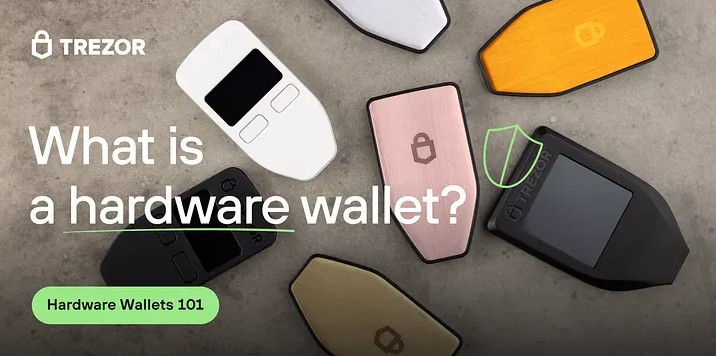
New to my Trezor? Here's the useful bit. You'll get a clear path through wallet features, supported coins, Segregated Witness accounts, and exchange access. Then we'll tackle the safety side: passphrases, extra hardware wallets, seed backups, device updates, and a reported side-channel attack that could expose the PIN on a stolen Trezor One. An intern's first look at crypto work rounds it out.
From cloud servers to home PCs, hackers often sneak crypto mining software into your stack to steal processing power. We’ll show you how to detect these threats, protect your supply chain, and keep your hardware running smoothly.
New to this? A cryptocurrency hardware wallet is a small device that keeps your private keys offline and signs transactions made on your computer. It can be safer than leaving crypto on an exchange. You still need careful setup, proper handling, backups, and a recovery plan.
Crypto can feel exciting, but is it safe to invest in cryptocurrency? I break down the real risks, how scams work, and simple steps to keep your funds safer if you decide to get started.
Protecting your cryptocurrency wallet key doesn’t require expert knowledge-just good habits. We’ll explore where attackers look, how phishing and malware try to steal it, and the easy practices you can start today to keep your crypto safe.
Before you invest in a crypto coin, get familiar with how it works and where it fits in your financial plan. Think about your risk tolerance, strategy, timing, and portfolio balance. Research the coin, and watch for phishing, counterfeit coins, and AI-assisted scams. Crypto can have a place in a portfolio, but it shouldn't take the place of the wider plan.
Getting a grip on how does the crypto wallet work is easier than you think. We’ll take you through public and private keys, the difference between software and hardware options, and how you can send and receive coins securely-no facilitation degree required.