
XRP and the XRP Ledger
XRP is the native cryptocurrency of the XRP Ledger, an open-source blockchain built for payments and settlement. It works as a medium of exchange and as a bridge currency that can flip into a sender or recipient's preferred fiat currency. Ripple is the tech company tied to XRP. Some outlets use "Ripple" and "XRP" interchangeably, while others keep them separate - the token, the ledger, the payment network, and the company.
Ripple's roots go back to 2004, when Canadian software engineer Ryan Fugger launched RipplePay, a trust-based peer-to-peer network for swapping virtual currencies on credit without a central middleman. After Bitcoin's scalability and energy problems got more attention, developers Jed McCaleb, David Schwartz, and Arthur Britto built a distributed ledger for moving value more efficiently. They picked up RipplePay and rebranded it as OpenCoin in 2012. The original name "Ripple" covered the open-source project, the Ripple Consensus Ledger, the Ripple Transaction Protocol, the Ripple network, and the digital asset then called "ripples," with XRP as the currency code.
About 80% of XRP was reportedly gifted to NewCoin, later renamed OpenCoin and tied to Ripple Labs. The modern XRP Ledger and XRP dropped in 2012, three years after Bitcoin launched.
OpenCoin became Ripple in 2015 as the project signed up banks and financial institutions. The XRP Ledger Foundation launched in 2020 as an independent nonprofit to speed up development and adoption of the XRP Ledger. It got an initial donation of more than $6.5 million from Coil, Ripple, and Gatehub.
XRP was built as a different path for cross-border transfers that rely on banks or third-party middlemen. Those transfers can carry fees, delays, and exposure to shifting exchange rates.
What XRP Is Used For
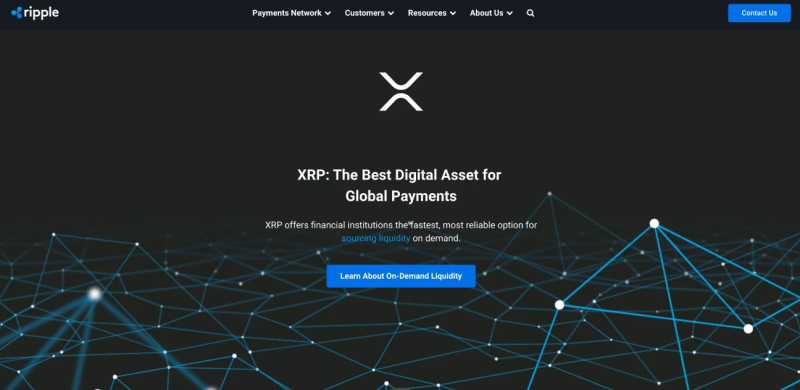
With XRP, two parties can transact straight in the token instead of first converting one national currency into another. The XRP Ledger settles transactions in seconds and supports transfers involving fiat currencies, cryptocurrencies, and assets like gold. XRP can act as a temporary settlement layer between two currencies or networks.
Ripple says more than 100 financial institutions have joined or partnered with its network. Named in the sources: Santander, American Express, AirWallex, PNC, Mitsubishi UFJ, and the Canadian Imperial Bank of Commerce. A later account said Ripple runs cross-border ops in more than 90 countries and supports more than 55 currencies. Banks in Japan and South Korea were called out for working with Ripple on blockchain-based cross-border transactions.
RippleNet, the company's payment platform, works as a real-time gross settlement system for international payments. One outlet describes the XRP Ledger as kept up by the global XRP community, with Ripple joining in as an active member. Another description calls Ripple Labs the company running the ledger. These reflect the split between the XRP Ledger's community-run setup and Ripple's role as its main commercial builder.
How XRP Transactions Work
The XRP Ledger does not validate transactions through Bitcoin-style proof-of-work mining or Ethereum-style staking. It uses the XRP Ledger Consensus Protocol, also called the Ripple Protocol Consensus Algorithm, or RPCA. Validators agree on transactions, which helps stop double-spending without energy-heavy mining.
The network runs a set of validators called the Unique Node List, or UNL. One 2023 overview called the UNL a decentralized network of validators. A later explanation described it as a private, permissioned, or semi-permissioned group of pre-approved validators. How decentralized the validator set is depends on who you ask.
Critics in the sources argue this setup makes the network less decentralized, censorship-resistant, and permissionless than fully open blockchains. Another 2023 explanation said XRP validators do not get paid directly, with the system relying on the idea that orgs needing the ledger have reason to play fair.
XRP transaction settlement is generally three to five seconds, with some sources saying payments can settle in as little as four seconds. The same 2023 comparison said Ethereum transactions could take about two minutes and Bitcoin transactions an hour or more. The XRP Ledger was said to handle up to 1,500 transactions per second, versus 15 for Ethereum at the time. These are source-specific claims, not guarantees of current throughput.
XRP transaction fees are described as very low. The minimum cost is 0.00001 XRP, equal to 10 drops and a fraction of a cent. Multisig and escrow transactions can run higher. A Caleb & Brown article noted traditional cross-border transfer fees can hit US$50 in some cases.
Every XRP Ledger transaction needs XRP for the cost. The small amount paid as the fee is destroyed, cutting the amount of XRP in play. The broader claim that "XRP is destroyed after each transaction" should be read as destruction of the transaction fee, not the full amount being sent.
Ripple Products Around XRP
- xRapid gives on-demand liquidity. XRP held in escrow accounts can handle swaps and transfers.
- xCurrent supports cross-border payments between financial institutions and includes a messaging channel and end-to-end transaction confirmation.
- xVia is a payment interface where institutions can send payments, make invoices, and track international deliveries.
XRP also connects to the Interledger Protocol, a platform for transactions between crypto and bank ledgers. RippleX provides tools and services letting devs and businesses plug XRP Ledger tech into apps.
Supply, Escrow, and Price History
XRP has a total supply of 100 billion tokens. The supply was pre-mined when the network launched and was not released through Bitcoin-style mining. An account said Ripple put 55 billion XRP, or 55% of the supply, into escrow and released about one billion XRP per month. Unused parts of the monthly allocation went back to escrow and released in a later month.
The sources describe the future-release setup two different ways. A Caleb & Brown explanation says a smart contract controls the release of future XRP. The CoinStats account points to Ripple's escrow system. The max supply stays fixed at 100 billion, but the timing and control of releases differ across publications.
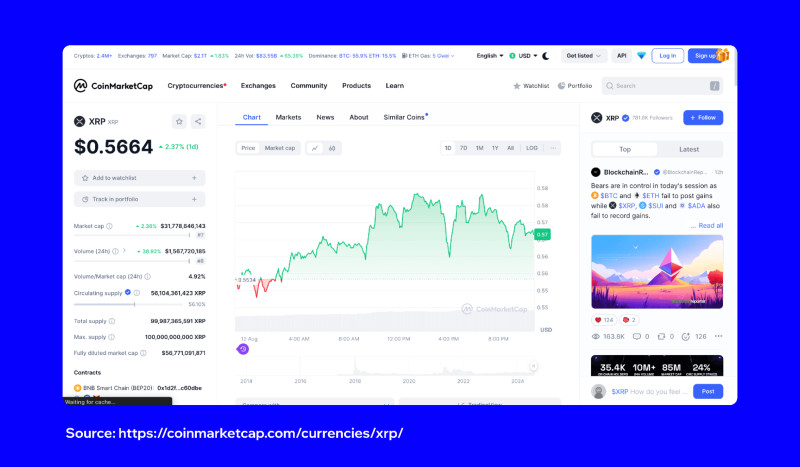
As of February 2022, CoinStats reported a circulating supply of 47.8 billion XRP and market cap of $33.19 billion. A Caleb & Brown article placed market cap above $42 billion. An earlier article described XRP as the third most valuable crypto after Bitcoin and Ethereum for much of the preceding period, though its ranking shifted over time.
XRP's price has been wild:
XRP Price Milestones
- 2012 - XRP worth fractions of a cent when the ledger launched.
- 2013-2014 - Rose to roughly $0.02-$0.03, then dropped.
- 2015-2016 - Traded below one cent for much of the period.
- Late 2017-early 2018 - Surged from cents to over $3 during the crypto boom.
- 2018 - Traded below $0.50 for much of the year.
- Early 2020 - Around $0.19.
- COVID period - Dropped below $0.14, recovered to ~$0.30 by August 2020, hit ~$0.65 in November 2020.
- December 2020 - SEC lawsuit pushed XRP below $0.22, rebounded February 2021.
- April 2021 - Rose to ~$1.81 after renewed market attention.
- Early 2022 - Reported at $0.83.
A later account said XRP gained almost 280% over several months near the end of 2024 and was heading toward a $2.50-$3.00 range. A separate December 2017 account said XRP traded at about $2 with the second-highest trading volume behind Bitcoin. That article also had predictions XRP could top $1,000 by end of 2018 - specific to that moment, not current values.
A piece on XRP ownership said Ripple controls about 42% of the 100 billion supply through escrow. It also reported Ripple chair Chris Larsen holds about 2.5 billion XRP, described as roughly 4.6% of market cap. Exchanges were said to hold billions of XRP for customers, and the article pointed out individual whale investors holding at least one million XRP.
The same forward-looking piece said XRP could exceed $5 by 2030, based partly on institutional adoption and U.S.-listed XRP ETFs. It also flagged stablecoins as competitors for low-FX markets, while another article pointed to Stellar and other cross-border payment cryptos as risks to XRP growth. These were projections, not results.
A piece about broader market context said Bitcoin rose above $100,000 and Ether, launched in 2015 at a few dollars, later traded in the thousands. XRP's rise from fractions of a cent was presented as another case of an asset recovering from a very low early valuation.
The SEC Lawsuit and XRP
The SEC filed a $1.3 billion suit against Ripple Labs in December 2020. The SEC argued XRP should count as a financial security, not a decentralized crypto. It pointed to the pre-mined supply of 100 billion XRP and Ripple holding 55 billion in escrow as signs of centralized control and possible market manipulation.
Ripple pushed back that XRP works as a bridge currency and decentralized payment tool, not an investment contract. It argued its network speed, scale, and settlement function should not push it into security territory.
An article before the ruling described the suit as open and said the SEC's stance had hit exchange listings. It said XRP's future was uncertain because of the case, while also stating buying Ripple was legal in many countries. It added that if Ripple won, its fast scalable network and low fees could pull in bigger institutions - without backing that claim with figures.
A later account described the 2023 court result as a partial win for both sides. The Southern District of New York reportedly ruled XRP sales to early institutional investors were unregistered security sales, with a $125 million civil penalty. The court reportedly ruled retail sales on secondary markets did not meet the unregistered security bar. The decision was followed by a reported 20% price jump and relisting on several exchanges.
Trust Wallet's June 2025 update gave more detail on the penalty. It said the $125 million was well below the SEC's nearly $2 billion ask - $1 billion in disgorgement and prejudgment interest plus a $900 million penalty. It also said the court issued an injunction to stop further securities law breaches. Ripple CEO Brad Garlinghouse called it a win for Ripple and the broader crypto community.
The legal status stays date-sensitive. A December 2024 article updated in February 2026 said the SEC could still appeal the 2023 ruling and the broader U.S. regulatory stance for XRP remained shaky. A Trust Wallet article updated in June 2025 kept calling the suit ongoing while saying it might be nearing a close. A market piece described a settlement with the SEC as clearing a big hurdle for institutional confidence. These statements cover different stages of the same proceedings.
Exchanges, Apps, and Brokers
A Tangem page calls centralized exchanges the most common way to buy XRP direct, naming Coinbase, Binance, Kraken, and others. A buyer normally makes an account, finishes ID verification, deposits fiat or another digital asset, picks an XRP pair, and places an order.
Coinbase's availability shows why stale provider info needs caution. A December 2017 account said XRP could not yet be bought on Coinbase. An August 2023 article said Coinbase and others dropped XRP amid the SEC dispute. Later material, including a page updated in February 2026, listed Coinbase again among exchanges for XRP. The sources show a path from unavailable, to delisted, to available again after legal and listing shifts.
A centralized exchange, or CEX, is run by a central company and usually offers a direct fiat-to-crypto route. CEXs commonly require KYC and AML checks. User assets sit on the exchange platform while it processes trades. That setup creates custody risk since the exchange may be hacked or may lock access to your account.
A decentralized exchange, or DEX, runs through blockchain code instead of a central company. The 2023 buying guide used Uniswap, SushiSwap, and ShibaSwap as examples. It said DEX trades use smart contracts and automated market makers, with no platform fee beyond the relevant blockchain gas fee. The article did not claim every DEX listed supports XRP.
DEX interfaces can be less friendly for folks wanting to buy XRP with fiat. A buyer often must already hold crypto or use a CEX first. A DEX may also match buyers and sellers peer to peer, which can take longer when liquidity is thin. If available liquidity is low, a trader may have to take a worse price.
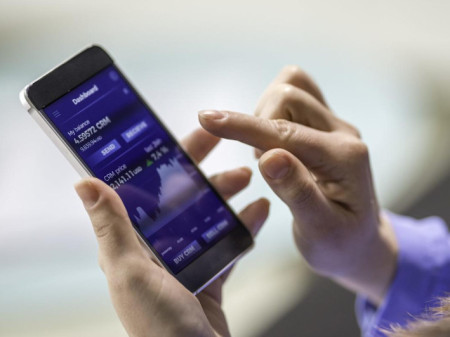
Apps and wallets can be another path. A Revolut page described buying XRP through the app's Crypto section. Trust Wallet offered XRP purchases through third-party providers, not as the exchange itself. A broker like Caleb & Brown offered a personalized brokerage process where a client sends an order to a broker for execution.
Factors for Comparing an Exchange, App, or Brokerage
- Security and custody setup
- Whether the provider is regulated or subject to KYC and AML
- Supported countries or regions
- Accepted fiat currencies
- Payment methods
- Deposit, withdrawal, trading, FX, or inactivity fees
- Supported assets and XRP trading pairs
- Liquidity and order execution
- Ease of use
- Customer support availability
- Whether the account is custodial, self-custodial, or brokerage-assisted
- Hardware or software wallet support
- Ability to place market, limit, or spot orders
CoinStats described using its market page to see which exchanges supported XRP. CoinTracker advised readers to use the Markets sections of CoinMarketCap or CoinGecko to compare centralized and decentralized exchanges, including liquidity, accessibility, and reputation.
Regional access can shape the available provider. A Tangem page showed an "access restricted" notice and pointed users in that region to local providers. Trust Wallet's purchase flow also depended on a third-party provider and payment method, which can vary by location.
Provider Profiles from a 2023 Comparison
A 2023 article labeled eToro its best exchange for buying XRP. At the time it described eToro as a financial-services platform supporting thousands of assets, including AAVE, Bitcoin, Ethereum, and XRP. It listed quick account opening, commission-free trading, and an "Imitate Trading" feature that copied moves of picked traders. It said XRP purchases could be made without a separate trading fee, while a 0.5% FX fee hit deposits. PayPal, Neteller, and debit cards were listed as payment methods. The article also said eToro supported only one base currency and charged a US$10 inactivity fee after one year.
The same 2023 comparison described Huobi, also called Huobi Global, as started in 2013. It said Huobi had not been hacked or had another reported security issue, and that in 2022 it helped Bitmart lock down security. It listed spot and margin trading, leverage up to 200x on some assets, a free grid-trading bot, crypto loans, staking with returns up to 50% APY on picked assets, and a welcome bonus. It also reported a displayed back-tested seven-day annualized yield of 44% for the grid bot, with ROI info updated weekly. These were point-in-time claims, not guaranteed current terms.
Capital.com was described as a contracts-for-difference platform with access to hundreds of cryptos and crypto-to-crypto trades. It supported currencies including the Hungarian forint and Belarusian ruble, with no deposit or withdrawal fees and competitive swap pricing. The article also flagged hidden costs, including overnight fees on some instruments, and a US$250 minimum for bank transfers.
Later sources name Coinbase, Kraken, and Binance as possible XRP exchanges, but availability, supported pairs, and regional limits can shift. None of the sources establishes that a provider is the best pick in every jurisdiction.
Opening and Verifying an Exchange Account
An XRP exchange account is generally opened with an email or mobile number. The provider sends a verification link or message, then the user makes a password. Depending on the provider and jurisdiction, ID verification may need:
KYC Documents That May Be Required
- Full legal name
- Residential address
- Date of birth
- Government-issued ID
- Proof of address
- A selfie
- Video verification
- Extra docs for trusts, companies, funds, or retirement accounts
Two-factor auth, or 2FA, is recommended after verification as an extra security layer. The 2023 guide described it as added protection beyond a password.
The KYC process also applies to some brokerages. Caleb & Brown says ID verification usually needs a photo ID, proof of address, and extra docs depending on whether the client signs up as an individual, trust, self-managed super fund, self-directed IRA, or 401(k).
Funding an Account
Common payment methods in the sources include:
Payment Methods for Funding
- Bank transfer
- Wire transfer
- Credit or debit card
- PayPal
- Neteller
- Other e-wallets
- Fiat currency
- Cryptocurrency
- Stablecoins
A credit or debit card can support immediate or recurring buys, but the provider may tack on a fee. A local bank transfer is often free, though the exchange's terms should be checked. Wire transfers, e-wallets, and other methods may carry higher charges or take longer to clear. Some transfers may need approval from financial authorities or the issuing bank.
To buy XRP with another crypto, the user searches for XRP on the spot market and picks a trading pair. Common examples were XRP/USD and XRP/USDT, though actual pairs differ by exchange. An exchange can also hold multiple stablecoins and fiat currencies, letting the user pick the asset for acquiring XRP.
CoinStats described the deposit process as picking a payment method and currency, entering the amount, and hitting deposit. It stressed users should check method-specific fees and processing times before depositing.
Placing an XRP Order
A standard market-order process goes:
Market Order Steps
- Open the exchange's search and enter XRP.
- Select XRP and pick the pair, like XRP/USD or XRP/USDT.
- Choose the payment currency or asset.
- Enter the fiat amount or number of XRP to acquire.
- Check the exchange rate, fees, and estimated token qty.
- Confirm the transaction.
- Wait for XRP to show in the exchange balance.
The 2023 guide also described a spot-market interface where the user opens the Trade page, searches for an XRP pair, reviews the price chart, picks a market order, chooses the amount or a % of available balance, and confirms the buy.
A limit order lets you set a max purchase price. The order spells out the number of coins and the highest price you're willing to pay. It should fill only if XRP lands at or below that price. Depending on the exchange, an unfilled order may stay open or get canceled at end of trading day.
Market orders fill at the current available price but can be hit by slippage. Limit orders set your price but may not fill. The fee and execution details shown before confirmation set the final amount received.
Buying XRP Through Caleb & Brown
Caleb & Brown presents its crypto brokerage as a four-step alternative to placing an exchange order direct. It offers 24/7 access to a personal broker and says clients can buy XRP with fiat or trade it against other assets without pair limits. The brokerage says this gives access to a broader pool of assets than a typical exchange pairing and cuts the effect of network latency on available assets.
Caleb & Brown Four-Step Process
- Open an account - described as taking about five minutes and free. Account types include individual, trust, self-managed super fund, self-directed IRA, or 401(k).
- Verify the account - submit required KYC docs, usually photo ID and proof of address, with extra docs for entities.
- Deposit cash or crypto - Caleb & Brown sends account details. A test transaction runs first, full amount transfers after it passes.
- Buy XRP - email the order form to your personal broker. The broker executes the trade and tries to dodge slippage.
Caleb & Brown lists 24/7 broker access, no joining or signup costs, and dedicated customer support. It also says client assets are safeguarded through security infra from Fireblocks. These are provider-stated service and security claims.
Keeping XRP in an Exchange or Private Wallet
XRP bought on a centralized exchange may sit in the exchange's custodial wallet. A 2023 guide strongly recommended moving long-term holdings off exchange wallets since exchanges can face hacks, account interference, or other ops risks. A private wallet gives the holder control through their own keys.
Software or Hot Wallets
A software wallet connects to the internet and is easier to set up and use. It's more handy for folks who trade often since it gives quick access to apps and exchange-linked functions. Its internet link creates more exposure to security leaks, malware, phishing, and shady apps.
Wallet examples included CoinStats Wallet, MetaMask, Coinbase Wallet, Trust Wallet, and Edge Wallet. The 2023 guide recommended checking a software wallet's security controls and looking for 2FA where available.
Hardware or Cold Wallets
A hardware wallet stores private keys offline and is generally seen as safer for long-term holdings. It can sign and confirm blockchain transactions without exposing the private key to an internet-connected computer. Many hardware wallets use a PIN, and some wipe data after a set number of failed attempts - presented as theft protection.
The 2023 guide said hardware wallets fit experienced users and larger holdings better. It listed rough prices of US$50-US$200. Named devices:
Hardware Wallet Options
- Trezor Model T
- Ledger Nano X
- CoolWallet Pro
- KeepKey
- Ellipal Titan
- SafePal S1
The Ledger Nano X was described as a popular cold-storage device supporting a wide range of assets and apps, storing up to 100 currencies on one device. It has Bluetooth for access from a computer or mobile. The article distinguished it from the Ledger Nano S, which it said is more for beginners.
SecuX W20
The SecuX W20 was called a portable wallet compatible with XRP, Ethereum, Bitcoin, and ERC-20 tokens. Its display lets users view holdings without hooking to a laptop or mobile device.
Trust Wallet
Trust Wallet is described as a mobile wallet and browser extension that can send, receive, store, buy, sell, and swap XRP. The June 2025 article said the service supported more than 10 million crypto assets across more than 100 blockchains and had more than 130 million users. These figures reflect the provider's published numbers at the time.
Tangem
A Tangem page stated Tangem AG makes hardware wallets and non-custodial software solutions. It said Tangem is not a regulated financial-services provider or crypto exchange and does not hold, custody, or control users' assets or transactions. Crypto transaction services come from third parties, and Tangem says it does not advise users on those services. Products on the page included Tangem Wallet, Tangem Mobile, Tangem Ring, and Tangem Pay. The page also noted global HQ in Zug, Switzerland.
The page's discount, newsletter, and nav material is separate from the wallet-custody info. Its access-restricted message shows availability can differ by region.
Buying XRP Through Trust Wallet
Trust Wallet describes a process for buying XRP through a third-party provider.
In the mobile app:
Trust Wallet Mobile Buy Steps
- Select "Buy" from the home screen.
- Search for XRP and pick it.
- Choose your preferred fiat currency.
- Enter the XRP amount to buy.
- Pick the third-party provider and payment method.
- Tap Buy and finish the provider steps.
In the browser extension:
Trust Wallet Extension Buy Steps
- Choose preferred fiat currency and amount.
- Select XRP.
- Pick preferred third-party provider.
- Finish the remaining steps.
The purchase provider handles the transaction. Trust Wallet is presented as the wallet for managing the resulting XRP, not as the CEX running the order. Provider and payment method availability can depend on location.
Buying XRP Through Revolut
A Revolut page gives a short in-app process:
Revolut In-App Steps
- Open the Revolut app.
- Go to Crypto.
- Select XRP.
- Choose the amount to buy.
- Confirm the transaction.
The source did not give Revolut's fees, supported currencies, or regional availability, so those details need checking with the app or provider before completing a purchase.

Historical Credit-Card and Coinbase Route From 2017
A December 31, 2017 account described an older method for buying XRP with a credit card. It is kept as a historical example, not current purchasing guidance.
"I'll admit, I don't know a lot about investing. But when a rich person I know and trust said to me, 'You need to get into Ripple, and you need to buy some XRP, this is going to get really big,' I took her advice."
The author said learning about Coinbase and crypto exchanges let the purchase happen with a credit card, and a few hundred dollars turned into several thousand. The article called Ripple an enterprise-oriented global blockchain payments solution working with existing banks. It claimed XRP had the second-highest crypto trading volume behind Bitcoin at the time, said XRP traded for about $2, and repeated the personal prediction XRP could top US$1,000 by end of 2018. It also said "Wall Street will prefer XRP over any other coin."
At the time, Coinbase did not support XRP direct. The author said moving funds through Coinbase into Litecoin, then transferring Litecoin to another exchange, was easier and faster than waiting about five days for a standard ACH bank transfer.
The historical steps were:
2017 Coinbase-to-XRP Route
- Create a Coinbase account.
- Deposit funds - article said 4% fee.
- Convert or transfer funds to Litecoin.
- Transfer Litecoin to another exchange.
- Sell Litecoin for USD or EUR.
- Buy XRP with the balance.
The author named Bitstamp as the best exchange for buying Ripple in their view and reported success with Exmo. Exmo was described as offering more non-credit-card payment options. The article also disclosed its Coinbase link was an affiliate link through which Coinbase could send both author and reader a fraction of a Bitcoin at no cost.
The author said they were not an expert, had bought XRP at $0.24, and warned better methods might have surfaced. They advised "Caveat emptor" since the price could drop after purchase. Exchange support, fees, payment routes, and account requirements have shifted since 2017.
Tracking XRP Holdings
CoinStats described a portfolio tracker connecting XRP and other assets across centralized exchanges and wallets. The service was said to support 300+ exchanges and wallets and 20,000+ cryptos. It included charting, analytical data, advanced search, news, and tools for watching profit, loss, and liquidity across exchanges.
Named integrations:
CoinStats Integrations
- Binance
- MetaMask
- Trust Wallet
- Coinbase
- Kraken
- Kucoin
- Bitstamp
- 500+ other services
The connection process described by CoinStats:
Connecting a Portfolio
- Open the Portfolio Tracker page.
- Select Add Portfolio and Connect Wallet.
- Pick the exchange or wallet.
- Enter the wallet address.
- Submit the address.
CoinTracker described support for hundreds of exchanges, wallets, and DeFi platforms. Its features include a unified transaction history, cost-basis tracking, tax-loss-harvesting info, and reports for tax prep. The article said reports could be prepped for review or filing through pro tax software or services like TurboTax and H&R Block. CoinTracker stated the info is not tax advice.
Investment Amount and Research
There is no fixed XRP amount every buyer should purchase. A Caleb & Brown article said the amount depends mainly on a person's investment goals, strategy, and independent research. It stated the individual investor must decide if XRP fits and how much to put in.
The same article warned past performance does not guarantee future results. It described XRP surviving multiple market cycles as evidence of "staying power" and referenced the "Lindy Effect," while separately noting historical performance is not a reliable predictor of what comes next.
A 2024 CoinTracker article said institutional partnerships and market cap did not guarantee XRP's price would rise. It flagged these investment risks:
XRP Investment Risks
- Ongoing or possible SEC appeals
- Regulatory uncertainty
- Competition from Stellar and other cross-border payment cryptos
- Competition from stablecoins
- High market volatility
- Possibility that institutional adoption does not translate into higher demand
- General risks that apply to other cryptos
Advantages and Concerns Identified in the Sources
Advantages attributed to XRP:
XRP Advantages
- Fast cross-border settlement
- Low transaction fees
- Bridge between fiat currencies
- Reduced need for pre-funded accounts in multiple currencies
- Fixed maximum supply
- History of institutional adoption
- Use cases in remittances, payments, liquidity management, and settlement
- Availability on major centralized exchanges after later legal developments
- Reported ability to handle high transaction volume
Concerns identified:
XRP Concerns
- Pre-mined supply
- Concentrated ownership and escrow-release control
- Semi-permissioned validator set
- Validators can be corruptible, per one 2023 article
- Centralized infra, governance, and issuance
- Exchange support changed in response to legal proceedings
- Exposure while assets sit on a centralized exchange
- Greater attack surface of online software wallets
- Regulatory uncertainty
- Price volatility
- Competition from stablecoins and other blockchain payment nets
- Possibility that a provider's fees, services, or asset listings change
Provider and Transaction Risk Controls
The source material repeats several risk controls:
Risk Controls to Follow
- Compare security, fees, user experience, asset support, liquidity, customer support, regulation, and payment options before opening an account.
- Complete KYC verification before depositing.
- Turn on 2FA when available.
- Compare deposit and withdrawal fees across payment methods.
- Review exchange rate, trading pair, amount, and network fees before confirming an order.
- Know whether a purchase is direct XRP or a conversion through an intermediary asset or stablecoin.
- Use a provider that supports your country and payment method.
- Do not rely on an exchange's past listing status as proof of current availability.
- Use a private wallet when holding XRP off the exchange.
- Check whether a software wallet's security controls meet your needs.
- Use a hardware wallet for longer-term storage when appropriate.
- Track exchange rates, market liquidity, fees, and provider conditions since they can shift.
Caleb & Brown describes itself as a crypto brokerage with personalized 24/7 broker access. It says clients get dedicated assistance, industry-focused storage support through Fireblocks, and a service without joining or signup fees. The provider says its personal broker runs client orders and tries to dodge slippage. A 2023 CoinStats article warned centralized exchanges hold users' digital assets and may be vulnerable to theft. A Tangem page stated Tangem itself does not take custody of assets, while Trust Wallet's process routes purchases through a third-party provider.
The relevant provider disclaimers state the info is educational, not financial, legal, or investment advice. Past performance is not a reliable indicator of future results. Users should do their own research before buying XRP or interacting with crypto apps.
So where can i buy a crypto? The answer depends on your country, payment method, and how much control you want. A crypto currency exchange app is the most common starting point - you sign up, verify your ID, deposit funds, and place an order. If you want more personal help, a robinhood for cryptocurrency -style brokerage gives you a dedicated broker to run the trade. Each path has its own fees, limits, and custody setup.
Before you commit, check whether the best place to buy cryptocurrency for your situation is a centralized exchange, a decentralized exchange, or an app. How do i buy a cryptocurrency with fiat? Most providers let you use a bank transfer, card, or e-wallet - but fees and processing times differ. If you already hold crypto, you can swap it for XRP on the spot market using pairs like XRP/USDT.
After you buy, think about where to hold it. Leaving XRP on the exchange is easy but carries custody risk. A coinbase and wallet setup - or any exchange paired with a private wallet - gives you more control. Software wallets are fine for day-to-day access, but a hardware wallet is the better call for larger or longer-term holdings.
If you are new to this, start small and get comfortable with the process before putting in more. Read the exchange's fee sheet, check regional limits, and make sure you understand whether you are buying XRP direct or converting through another asset. The how to buy ripple crypto path is straightforward once you know which providers work in your region and what they charge.
For people in the US, best crypto exchanges for us depends on state-level rules, payment methods, and whether XRP is listed at the time you check. Availability shifts - Coinbase dropped XRP during the SEC dispute and later relisted it - so do not assume a past listing means current access. Always verify with the provider directly before depositing.
The sources repeatedly flag that past performance is not a reliable indicator of future results. XRP has survived multiple market cycles, but that history does not promise what comes next. Do your own research and only risk what you can afford to lose.
One more thing - if you are using a coinbase app downloads route or any exchange app, double-check you are on the official site or store listing. Fake apps are a real risk, and a stolen phone or compromised account can wipe out your holdings fast. Enable 2FA, use a strong unique password, and keep your recovery phrase offline and secret.
Comments on “How to Buy XRP (Ripple) Safely Using Apps, Exchanges, and Wallets”
No comments yet. Be the first to share your thoughts.