

How Does the Crypto Wallet Work
I get asked all the time about how does the crypto wallet work. It’s a bit like a bank account for your coins, except the wallet holds keys, not the cash. Getting a grip on how does the crypto wallet work is easier than you think. We’ll walk through public and private keys, the difference between software and hardware options, and how you can send and receive coins securely. No facilitation degree required-just plain talk from one regular person.
The main idea is simple. You don’t store coins in the wallet. You store the proof that the coins on the blockchain belong to you. That proof comes from cryptographic keys. Once you see that, the rest falls into place.
What Is A Crypto Wallet
A crypto wallet is a digital tool that lets you manage cryptocurrencies by controlling the private keys that authorize transactions on a blockchain. Think of it like a bank account where you store funds and can spend them, but unlike a physical wallet, a crypto wallet exists entirely online. The wallet doesn’t actually hold the coins; it holds the cryptographic keys that prove ownership of assets recorded on the blockchain.
Over 75 million crypto wallets are in use worldwide. That’s a lot of people keeping keys instead of cash. A wallet generates a unique public address for each coin you hold. This address works like a bank account number: you can share it to receive funds, while the private key stays secret.
Wallet addresses are transparent on the blockchain. Anyone can view the balance and transaction history of an address, but the real world identity of the owner remains hidden. This mix of open data and private control is what makes the system different from a normal bank.
The wallet doesn’t actually hold the coins; it holds the cryptographic keys that prove ownership of assets recorded on the blockchain.
Bitcoin launched in 2009 and wallets have been part of it since the start. The wallet is an important part of how Bitcoin works, letting people move value without a bank. Same goes for other coins that came later.
Public And Private Keys
Every crypto wallet contains a pair of cryptographic keys. The private key is a secret code that gives you full access to the funds stored in the wallet. It’s used to sign transactions and prove ownership. If someone obtains your private key, they can move the associated assets. The public key is a derived version that serves as the wallet address. It can be freely shared so others can send cryptocurrency to you.
People sometimes mix up the terms, but the cryptocurrency wallet key is just another way to talk about these keys. Both keys are used to encrypt, sign, and verify transaction data before it enters the blockchain verification process. The public key is like an email address you give to others so they can send you money.
Keys are generated by the wallet software or hardware and are mathematically linked. The public key shows as the wallet address, a long string of letters and numbers. The private key is kept hidden and ideally stored offline. A private key functions like a password for a bank account, confirming fund transfers.
Two Keys You Need
- Private key is a secret code that signs transactions
- Public key is a shareable address for receiving coins
- Keys are mathematically linked by the wallet software
- The private key must stay hidden and offline if possible
How A Wallet Moves Coins
When you want to send coins, the wallet takes your transaction details and uses your private key to create a digital signature. This proves the transaction comes from the rightful owner. Then the signed transaction is sent to the blockchain network where it waits in a memory pool. Network nodes verify the signature and add it to a block.
This process is the core of how does the crypto wallet work on a daily basis. It’s not magic, just math and a bunch of computers agreeing. Hardware wallets do the signing inside the device so the key never touches your computer. That keeps you safer from online thieves.
On Proof-of-Stake chains like Ethereum, validators collect waiting transactions. On Proof-of-Work chains like Bitcoin, miners do the same job. Both groups verify signatures and assemble blocks. Once a block is added, the transactions inside become final.
The mempool is just a waiting area for transactions. Think of it like a queue at a coffee shop. Your tx sits there until a miner picks it up.
Steps From Send To Final
The on-chain transaction follows a clear path. I like to break it down so it feels less scary. You click send, the wallet signs, the network checks, and then it’s final. Knowing these steps helps you trust the system.
On-Chain Transaction Flow
- Initiation: you enter recipient address, amount, and gas settings in the app
- Signing: the wallet creates a digital signature with your private key
- Broadcasting: the signed transaction goes to the network mempool
- Validation: miners or validators verify signatures and build blocks
- Finality: once added to the chain, the transaction is immutable
Transactions are signed inside the device, guaranteeing the private key never leaves the hardware.
In a hardware wallet, the signing step happens inside the device. The unsigned data shows on the companion app, you confirm on the hardware, and the private key signs offline. Then the signed data goes back to the app, which broadcasts it. This keeps the key away from the internet.
Off-Chain And Custodial Moves
Not every transfer happens on the main blockchain. Centralized exchanges and custodial wallets perform transfers outside the main chain. Assets remain in the custodian’s control, and only an internal ledger updates. This can settle faster and avoid gas fees, but you trust the intermediary.
When you use a non-custodial wallet, you hold the private key and skip the third party. Some folks confuse this with crypto mining software that creates new coins, but the wallet just stores and sends. If you earn coins through best cloud mining apps for android , you still need a wallet to keep them.
Off-chain transactions are common on Layer-2 solutions too. They update an internal record without consensus, which is quick but relies on the operator. For everyday small moves between friends on the same exchange, off-chain is fine.
Software Wallets For Daily Use
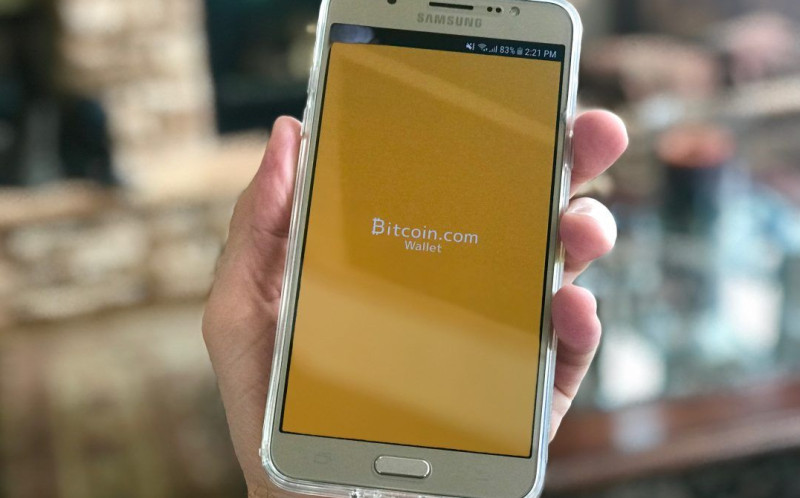
Software wallets are often called hot wallets because they stay connected to the internet. They’re convenient for daily spending but more exposed to malware and phishing. Web wallets run in a browser, desktop wallets install on your computer, and mobile wallets are apps on your phone.
Common Software Wallets
- Web wallets accessed through a browser or exchange
- Desktop wallets downloaded to a personal computer
- Mobile wallets with QR code scanning for quick pay
- Exchange provided wallets where the provider may hold keys
Hot wallets are great for small amounts you spend like pocket cash. But don’t keep your life savings there. A virus on your computer could grab keys if the wallet isn’t careful. Use them for what you need today.
Hardware Wallets And Cold Storage
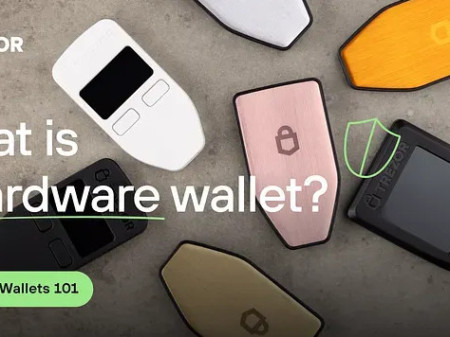
Now let's talk about keeping keys offline. Some people ask me what cold wallets are . They are wallets that never go online. A cold wallet for crypto is often a physical device like a Trezor or Ledger. You might also use a cold storage usb that stores private keys on a stick kept in a drawer.
If you want the best air gapped cold wallet , look for one that signs transactions without ever touching the net. The onekey secure crypto wallet and the trezor safe 5 vs 7 debate is common among hobbyists. Another option is the onekey crypto defi wallet for those who like decentralized apps. All these are cold because they keep the key offline.
A hardware wallet generates key pairs with a random number generator. It requires a PIN and often a recovery phrase of 12 to 24 words. It stores no coins, just the key. The cost is an upfront price and some setup hassle, but the safety is strong.
Stores no coins; it simply holds the private key, enabling the user to sign transactions without exposing the key.
Paper Wallets And Air Gap
A paper wallet is just a printed sheet with your public address and private key, often as QR codes. It’s air gapped, meaning immune to hacking, but you can lose the paper or spill coffee on it. That’s a real risk I wouldn’t ignore.
Hey, don’t skip this part: any cold method is only as safe as the physical object. If you print a paper wallet, hide it like cash. A fireproof safe or a bank box works. Never snap a pic and store it in your phone photos.
Hot Cold And Warm
You can sort wallets by how often they connect. Hot is always online, cold is never online, warm is partially online. A warm example is a hardware wallet plugged in only when needed, or a non-custodial solution with a second factor while keys stay offline.
Wallet Temperature
- Hot: always online, fast but less safe
- Cold: never online, highest security, slower access
- Warm: partially online, balances speed and safety
- Examples include hardware with TOTP and paper sheets
The Fortanix Non-Custodial Warm Wallet blends hardware-level security with TOTP-based 2FA. It keeps private keys offline and reduces trust in others. That’s a neat middle ground for some users.
Custodial Vs Non-Custodial
A custodial wallet means a third party holds your private keys. They give convenience but they control the assets. A non-custodial wallet means you alone possess the keys, giving full ownership and responsibility. I prefer non-custodial for long-term holds.
This choice changes how does the crypto wallet work for you. With custodial, you ask the provider to move coins. With non-custodial, you sign yourself. If the provider gets hacked, custodial users may lose funds; non-custodial users keep control as long as they protect their key.
If you lose your key in a non-custodial setup, no support line can help. That sounds harsh but it’s the trade-off for full control. I keep a paper copy of my seed in two places.
Picking A Wallet That Fits
Choosing the right wallet depends on your needs. I look at security, ease of use, supported coins, and cost. Long-term holders benefit from cold solutions; frequent traders may prefer hot wallets.
Things To Check
- Security features like 2FA and multi-signature
- User experience that matches your skill level
- Supported currencies and chains for your coins
- Platform compatibility with your phone or computer
- Reputation and track record of the wallet maker
- Cost and how often you need to access funds
Open source software lets the community audit the code, which is a good sign. For hardware, check that firmware is publicly verifiable. Biometric login on mobile is nice but not a must. Pick what you will actually use.
Keeping Your Keys Safe
This one’s important, pay attention. Use strong unique passwords and store seed phrases in secure offline locations. The seed phrase is usually 12 to 24 words that restore access. Never type it in a random site.
The seed phrase should be stored offline and protected from unauthorized access.
Regularly update wallet software and firmware to patch vulnerabilities. Keep a backup of the seed phrase in multiple safe places like a fireproof safe. That way a lost device doesn’t mean lost coins. Also consider a second factor for extra lock.
White-Label Wallet Products
Some companies use a white-label crypto wallet, which is a prebuilt product they rebrand and sell. It works like any other wallet but saves the business from building from scratch. The security stack often includes 2FA, private key handling, and cold storage options.
For the user, the experience is the same as a normal wallet. You still hold keys if it’s non-custodial, or the company holds them if custodial. It’s just a faster path for banks or neobanks to offer crypto. APIs let them connect to existing systems.
Use cases include fintech firms adding crypto to banking apps, exchanges needing smooth deposits, and traditional banks entering digital assets. The white-label path gives them a wallet without deep blockchain skills. Benefits for businesses include rapid launch and lower build risk.
And the core idea of how does the crypto wallet work stays the same: keys control coins. The brand on the outside doesn’t change the math inside.
Fees Gas And Status Checks
When you submit a transaction on an EVM chain, you specify a gas price. The total fee equals gas used times gas price. Higher gas usually means faster inclusion. Fees are paid in the chain native token and go to the block producer.
Layer-2 solutions often charge a fraction of on-chain fees. To stay informed, you can query block explorers with the transaction hash. These tools show current status, block number, and gas usage. It’s easy and free to check.
Watching Your Transaction Status
A typical transaction shows as pending, executed, failed, or canceled. Pending means it waits in the mempool. Executed means it’s in a block. Failed often comes from insufficient gas. Canceled happens when a later transaction with higher gas replaces it.
Understanding these states is part of how does the crypto wallet work in real life. You don’t need to watch forever, but a quick check saves worry. Block explorers like Etherscan let you look up any transaction details in real time.
And that’s the basic loop. You hold keys, you sign, the network confirms. Keep the key safe and you keep the coins safe. I hope this makes the topic feel less weird.

Comments on “How Does the Crypto Wallet Work: Keys, Control, and Keeping Your Coins Safe”
No comments yet. Be the first to share your thoughts.