
Finding The Lowest Fees For Crypto
I’ve sat in on enough trading conversations where folks feel nickel-and-dimed. Let’s look at how to find the lowest fees for crypto by comparing exchanges and fee types - no corporate spin, just plain talk from someone who’s been in the trenches. When you trade coins, those small cuts add up fast. Keeping more of your money is the whole point.
The focus of this post is the lowest fees for crypto, and I want you to see how maker and taker rates actually work. You don’t need a finance degree to get this. I’ll walk through which platforms offer the cheapest rates and a few simple moves to keep costs down. A crypto dip can be a chance to buy, but fees can eat the gain if you’re not careful.
Trading doesn’t have to cost you an arm and a leg.
How Crypto Exchange Fees Work
Exchange fees are essentially how centralized exchanges keep the lights on. They use that cash for server upkeep, security, support, and staying compliant. On decentralized exchanges, fees still exist but are often lower. They flow to liquidity providers or token holders instead of a central company.
DEXs run on smart contracts, so they skip the central infrastructure. But you still pay network gas on top. I like to think of it as rent for using the blockchain. The lowest fees for crypto often show up on DEXs, yet gas can bite if the network is busy. Centralized places need to pay staff and keep the lights on, so they take a slice of each trade.
That slice may look tiny - say 0.1% - but trade big and it grows. I always check the fee page before I trust a venue. If they hide it, that’s a bad sign. Plain and open is what we want.
Exchange Fees Versus Gas Fees
It’s easy to mix up exchange fees with gas fees, but they aren’t the same thing. Exchange fees are charged by the platform for trades, withdrawals, or account care. Each platform sets its own rates based on volume or activity.
Gas fees are charged by the blockchain itself when you move coins on Ethereum, Solana, Polygon, and others. Exchanges don’t control gas, but they pass it to you when you withdraw. Gas climbs when the network is crowded. That’s why Ethereum often costs more than Solana or Avalanche.
If you’re after the lowest fees for crypto, watch both numbers. A cheap trade can turn pricey if withdrawal gas is high. I once saw a tiny coin move cost more than the coin itself. Crazy, but true. Always add the two in your head.
Types Of Crypto Exchange Fees
Three things shape what you pay: fee schedules, where the exchange is based, and which coins it lists. Most places charge four main types. I’ll list them so you know what to check.
Common fee types
- Trading fees on every buy or sell, typically maker and taker rates.
- Withdrawal and deposit fees when moving crypto or fiat in and out.
- Spread fees - the gap between buy and sell price, not always shown.
- General fees like inactivity, margin interest, or account upkeep.
When you scan a cryptocurrency trading website , look for these. Hidden costs in any of them can eat your gains. Some sites show a clean table, others bury it in docs. I dig until I find the real number.
Deposits are often free, but withdrawals can be a flat fee or a percent. Spread is sly because it’s baked into the price. You might not see it on the receipt. That’s why spotting the lowest fees for crypto takes a sharp eye.
United States Exchanges With Low Fees
Let’s look at the main crypto exchanges in the US that keep costs down. Coinbase Advanced uses tiered rates. If you trade under $10K in 30 days, taker is 0.60% and maker 0.40%. Higher volume drops those numbers to as low as 0.10% taker and 0.10% maker at $1M.
Gemini is a New York-based spot exchange with tight rules. Its ActiveTrader has maker as low as 0.08% at high volume, taker 0.20% at low. Kraken is old and solid, with maker 0.25% at low tier and down to 0.08% later. Binance.US has zero fee on some Bitcoin pairs, and using BNB gives 25% off.
Blockchain.com shows maker 0.40% at low tier, dropping to 0.07% at top. eToro US wraps a 1% fee into price, simple but not cheap for active folks. Robinhood says zero commission but charges spread and order flow fees. That can hurt on big trades. For a blockchain trader , knowing the real cost matters more than the ad.
US platforms at a glance
- Coinbase Advanced: tiered maker/taker, sub plan cuts fees.
- Gemini: regulation-heavy, no withdraw fee beyond chain cost.
- Kraken: established, proof of reserves, low maker at scale.
- Binance.US: zero fee BTC pairs, BNB discount.
- Robinhood: zero commission but spread hides cost.

When you ask for crypto trading which app is best , the answer depends on your volume. I lean toward platforms that show clear maker/taker numbers. That helps you plan for the lowest fees for crypto. A friend can use Robinhood for ease, but I want the raw rate.
Specialized Platforms For Cheap Trades
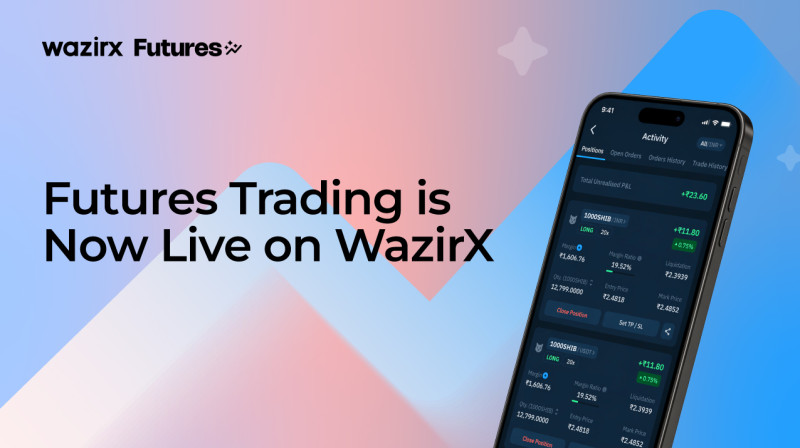
Some venues focus on niche needs. WazirX Futures offers maker 0.02% and taker 0.04% with no volume gate. You can trade with INR directly, skipping a conversion step. Ledn sticks to Bitcoin and USDC, with no separate trading fee. The price you see is what you pay, and they publish proof of reserves.
Phemex waives withdrawal fees - a big saver if you move coins often. CoinRabbit shows an estimated rate that bundles costs, with maker and taker at 0.10% each. Cash App and PayPal are easy but spread is higher. Swan Bitcoin suits long-term holders with flat fees and pushes self-custody.
If you want the quickest crypto exchange for a simple buy, those fintech apps work. But for the lowest fees for crypto on trades, the specialized spots win. I like Ledn for BTC holders who don’t want to juggle wallets.
These smaller names may lack the flash of big boards, but they often show the real cost up front. That fits my style. Always read the fee page before you deposit.
Payment Gateways And Gas Costs
While exchanges set trade costs, the payment gateway you use changes on-chain gas. Small-biz tools like CoinGate support many coins with simple plugins. Mid-market ones like CoinRemitter give better rate locks. Enterprise ones like CoinsPaid handle huge volume.
CCPayment claims the lowest service fee at 0.03% and works in 80+ countries. It links with Binance and Bybit to help lower gas. Using a dedicated gateway helps merchants accept crypto without wallet risk.
Why a crypto payment gateway helps
- Security with encryption and fraud checks.
- Convenience of one-click checkout and auto-convert.
- Speed with near-instant token confirmations.
- Global reach without many local bank accounts.
- Reduced costs versus old payment processors.
These don’t replace trading exchanges. But they matter if you run a shop and want the lowest fees for crypto conversions. I’d rather pay 0.03% than a bank’s 3%.
Order Tricks To Get Maker Fees
Maker fees are lower because you add liquidity. To get them, place limit orders away from the spread. Buy below best bid, sell above best ask. Enable post-only mode so your order cancels if it would fill at once.
Use GTC (Good-til-Cancelled) to keep the order alive. Time-in-force matters: GTC can be maker, but IOC and FOK are always taker. Binance, Bybit, Coinbase Advanced, and Kraken support post-only but often leave it off by default. Turn it on.
Enabling post-only and pricing away from the spread helps guarantee maker status.
This is a simple move to lock in the lowest fees for crypto on spot trades. I set post-only on every limit I place. It saves me a bunch over a month.
Using Exchange Tokens For Discounts
Many platforms have their own token that cuts fees. On Binance, paying with BNB gives 25% off. Base rate drops from 0.10% to 0.075% for both maker and taker. KuCoin (KCS), Huobi (HT), and OKX (OKB) do similar things.
Discounts range from 10% to 25%. If you trade a lot, grab the token. It’s a straight path to lower costs. I check this before picking a cryptocurrency trading platforms list.
The best way to trade crypto for me includes stacking these small savers. They add up over a year. Don’t sleep on native tokens if you trade daily.
Volume Tiers And VIP Status
Fee tiers use rolling 30-day volume. Consolidate trades on one exchange to climb faster. Big, less frequent orders help too. A single $50K order unlocks lower tier quicker than ten $5K ones.
VIP rules differ. Binance wants volume plus BNB hold. Bybit needs only one of those. Coinbase Advanced is pure volume. Know the model to plan your climb to the lowest fees for crypto.
Ways to hit lower fee tiers
- Trade on one platform instead of many.
- Place larger orders less often.
- Import volume proof if exchange allows.
- Check if token hold counts toward VIP.
Some folks spread trades to chase bonuses, but that hurts fee tier. I keep my flow in one spot to get maker discounts.
Subscription Plans That Cut Fees
Coinbase One costs $29.99 a month and removes trading fees up to $10K monthly. At 0.5% average, that’s $50 saved, so it breaks even near $5K trade. Active retail folks can net a saving.
Some regional Binance plans bundle tools and lower upkeep for a fee. If you trade daily, a sub can be the lowest fees for crypto hack. Just math it out first.
If you wonder for crypto trading which app is best , factor in subs. They change the math. I treat subs as a fee swap, not a free lunch.
Futures And Alt Trading For Lower Rates
Perpetual futures on Binance, Bybit, and Hyperliquid charge less than spot. Binance Futures base is maker 0.02%, taker 0.05%. That can halve spot costs. Cross margin often gets slightly better rate by pooling collateral.
If you chase a crypto dip with futures, fee is lower but risk is higher. I’m not telling you to leverage, just showing the cost side. The lowest fees for crypto may sit in derivatives, not spot.
Futures grid trading incurs ~60% lower fees compared with spot grids.
That quote comes from Pionex data. It shows how product type changes cost. I stick to spot, but I see why active folks like futures for fee’s sake.
Grid Bots And Fee Impact
Grid bots fire many limit orders a day. Fee compounds fast. Net profit per grid is step percent minus twice maker fee. With 0.5% step and 0.05% maker each side, you net 0.40%.
Set post-only flag to avoid taker hits. Minimum grid spacing should exceed 2x total fee. If maker sum is 0.1%, a 0.2% step barely breaks even. Use 0.3–0.5% for safety on volatile alts.
Pionex says futures grid fees are ~60% lower, bumping net profit about 30%. Bots can help but watch the math for lowest fees for crypto. I ran a small grid and fees ate me when spacing was tight.
Common Mistakes That Raise Fees
Limit orders that cross the spread fill at once, making you taker. Ignoring default post-only settings does the same. Partial fills can mix maker and taker. Market orders are always taker plus slippage.
Mistakes that inflate costs
- Limit buy set above best ask executes instantly.
- Leaving post-only disabled on Kraken or Coinbase.
- Big orders partially fill at taker rates.
- Using market orders for non urgent trades.
Hey, don’t skip this part. These errors quietly drain you. The lowest fees for crypto need clean order habits. I double-check order type every time, no joke.
Cashing Out Bitcoin With Lower Fees
Coinmama lets you sell Bitcoin to fiat without hopping exchanges. Fees tier from 0.1% to 0.9% by loyalty. Daily sell limit up to $30K or €30K. SEPA for Europe, SWIFT for others.
Process is simple: sign in, click sell, pick payout, add bank, send BTC, get cash after confirm. It’s competitive versus bank wires. If you ask how do you transfer crypto to cash , this is one clean path.
For users without low-fee US venues, Coinmama is a solid backup. It shows price upfront, no separate spread surprise. I’d use it for occasional cash out, not daily trades.
Risks Of Picking Only On Price
Cheapest platform can be wrong if it lacks security or rules. Exchanges hold your keys; hacks mean loss. No proof of reserves is a red flag. Thin liquidity causes slippage on big trades.
What to check beyond fees
- Security: insurance and reserve proofs.
- Regulatory compliance for your region.
- Liquidity: tight spreads and fast fills.
- User experience: clear UI and fee show.
- Custodial risk: option for self-custody.
A platform with slightly higher trading fees might offer better security, liquidity, or user experience.
The lowest fees for crypto won’t help if the venue vanishes. Balance cost with safety. I keep most coins in my own wallet, trade on the cheap venue, then leave.
Picking The Right Exchange For You
Beginners want easy UI: Coinbase, Cash App, PayPal. Accept higher spread for ease. Active traders need deep books and low maker/taker: Kraken, Binance.US, Bybit, WazirX Futures.
Long-term holders care about custody: Ledn, Swan, cold wallets. Large traders need VIP and bulk exec: Coinbase Advanced, Kraken pro tier. Match your style to the venue.
If you scan p2p exchanges crypto options, know they differ too. The best way to trade crypto fits your own habit, not a generic rank. I’m a simple spot trader, so I pick low maker fees and good reserves.
Quick Answers On Fees
What are maker and taker? Makers add limit orders, pay less. Takers fill at once, pay more. Can you avoid fees entirely? Some zero-fee pairs exist but withdrawal and spread still cost.
Is lower always better? No, security and liquidity can outweigh. How to know if you paid taker by mistake? Check fill time and post-only. Do some exchanges pay you to provide liquidity? Yes, Bybit and Hyperliquid rebate high-volume makers.
I hope these clear the fog. The lowest fees for crypto come from knowing these basics and acting on them. You don’t need a guru, just a clear fee page and good habits.


Comments on “How to Find the Lowest Fees for Crypto When Trading: A No-Nonsense Breakdown”
No comments yet. Be the first to share your thoughts.