
What A Crypto Wallet Really Is
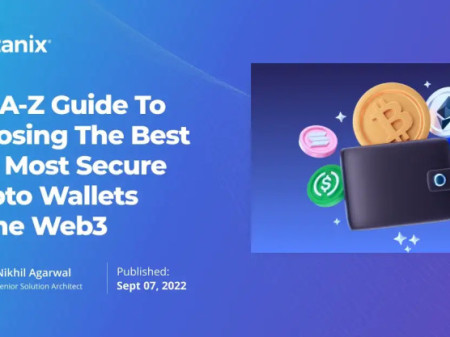
Let’s start with the basics of trusted crypto apps and what they actually do at the root. A crypto wallet is a digital tool that holds the keys you need to move your coins on the blockchain. It doesn’t stash the coins in a folder somewhere-instead, it stores private keys that let you control funds and send them.
Safe key care is the foundation of all crypto safety. Lose your keys and you’ve lost your money-no bank to call. That’s why I always tell friends to learn wallets first before they trade or buy big. A good habit early saves a lot of pain later.
Kinds Of Crypto Wallets
There are a few main types of wallets in the world of trusted crypto apps. I’ll lay them out so you can see the shape of things. Each has trade-offs for daily use and for letting coins sit long-term.
Wallet types I see often
- Software wallet installed on a computer
- Online wallet that runs on the web
- Mobile wallet as an app on your phone
- Hardware wallet as a physical offline device
- Paper wallet with printed keys
Pick one based on how much you trade and how safe you need to be. The best wallet for cryptocurrency is the one you can use without stress and that fits your life. I keep small spend on my phone and big savings on cold gear.
Software And Online Wallets
A software wallet lives on your PC or laptop. It gives you a straightforward screen and is usually free to install. Because the keys sit on the device, losing or damaging the computer can mean permanent loss of funds. Many users advise backups across multiple devices.
Common examples include Electrum, Exodus, and Jaxx. Online wallets work through web services with desktop and mobile apps. You can log in from any device with a password-handy, but you’re trusting the provider’s security steps. Many trusted exchanges add online wallets to their platforms so users stay in one place.
Mobile Wallets For On The Go
Mobile wallets are apps on smartphones and other portable devices. They let you pay fast and trade while you’re out of the house. Most online wallets also ship a mobile version so you can check on the bus or in line.
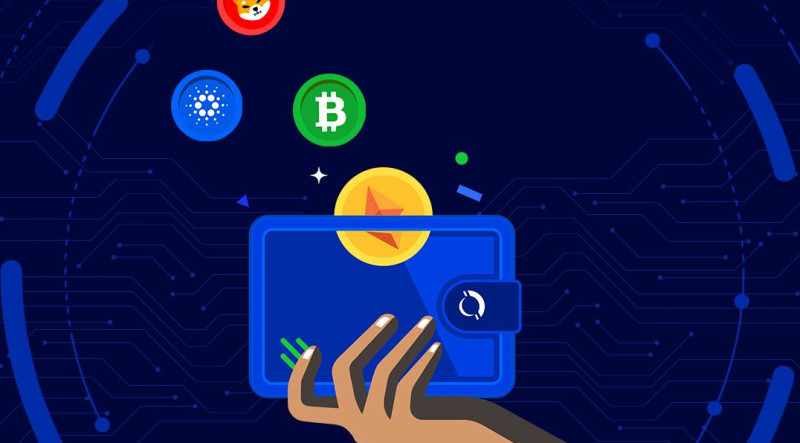
Busha is one such app serving Africa with simple buy and sell tools. It shows that a good mobile app makes crypto less scary. It can be a crypto storage wallet if you keep small amounts and back up well. I like that it meets people where they are.
Hardware And Paper For Safe Keeping
Hardware wallets are small physical devices that store keys offline. They resist hacking since they only go online to sign a send. Lose the device and the keys inside can be gone for good-so keep it in a safe spot like a bank vault for big holdings.
Paper wallets are simply printed public and private keys on a sheet. They’re fully offline and good for long sleep, but they burn or tear easily. A cold wallet for crypto like this needs a dry, safe place away from sun and water. Tools like WalletGenerator can spin up a printable address.
Some folks use a crypto storage wallet that’s paper or metal. The point is to keep keys off the net. Ledger and Trezor are common hardware names that give you a screen and buttons to sign.
Features That Matter In Trusted Crypto Apps
When I evaluate trusted crypto apps, I look for key features that make life easy. A blockchain best wallet should let you swap, buy, and stay safe without jumping through hoops. The source I read lists seven must-haves that I now treat as a baseline.
Seven features I want
- Cross-chain swaps without third-party bridges
- Gasless swaps so no fee to move
- Fiat on-ramp to buy with normal money
- Transaction templates to save repeat tasks
- Built-in scam protection for alerts
- Native Web3 access via WalletConnect v2
- Payment requests with links or QR codes
These aren’t just buzz-they cut real pain for new users and old hands. Cross-chain swaps mean you’re not stuck on one chain. Gasless swaps remove a wall for folks with empty wallets. If an app lacks most, I skip it and look elsewhere.
1inch Wallet As An Example
1inch Wallet is a full app that goes past simple storage. It does bridgeless cross-chain swaps with intent routing. Same-chain swaps can drop gas costs fully via Fusion, so you pay zero to move.
It also has a direct fiat ramp with multiple providers for instant buy. Transaction templates let you save a send to a trusted address. Built-in scam protection checks each deal, token, and dApp. This shows what a crypto app best can do for daily use. It runs on iOS and Android and aims for a smooth, safe feel.
Trust Wallet And Staying Safe
Trust Wallet is a non-custodial mobile app used by many people around the world. Your keys never leave your device and the service can’t touch your funds. They use encryption, regular audits, and device locks like biometrics to keep things tight.
They push proactive alerts for risky deals and warn about bad dApps. And they stress: they will never ask for your seed phrase by app or email. That’s a big red flag if someone does. I keep this rule pinned in my head.
How to avoid fake Trust Wallet apps
- Official stores like Apple App Store or Google Play
- Direct APK from their site on Android
- Do not click unsolicited links
- Update regularly for security patches
Trust Wallet will never ask for a seed phrase via app or email; such requests are always scams.
How To Set Up Trust Wallet
If you want to make a multi-coin wallet in Trust, the steps are plain. I pulled them from the source so you can follow without guesswork. Take your time and never rush writing down that phrase.
Setup steps for a multi-coin wallet
- Open Trust Wallet and go to Settings
- Select Wallets and tap the plus icon
- Choose Create new wallet and confirm secret phrase use
- Accept Terms of Use to proceed
- Write down the 12-word recovery phrase offline
- Verify the phrase by picking words in order
- Finish and reach main wallet screen ready for use
That’s it. The key part is that paper phrase. Keep it away from screens and never snap a pic that goes to the cloud. I tell new folks to test with a tiny send before they trust the app with more.
Common Crypto Scams To Know
Scams hurt people every day. You should learn the shapes they take. I keep a mental list so I don’t fall for sweet talk or rush.
Scams to spot
- Phishing sites that mimic real wallets
- Fake support asking for info
- Pig butchering via social trust
- Ponzi schemes with fake returns
- Malware that logs your keys
If a deal feels too good, step back and check the source before you send a cent.
Watch for mail or chat from someone claiming to be support. Real teams don’t ask for your seed. Keep your wits and you’ll dodge most traps.
World App And Open Protocols
World App is built by Tools for Humanity. It uses open protocols for identity and money. It talks to 600-plus web3 wallets and dApps via WalletConnect for secure chat.
It pulls in Uniswap for trades, Safe for smart accounts, Polygon for scale, and MoonPay for fiat. The wallet is self-custodial, so only you hold it. This abstracts the tech mess while keeping global reach.
Protocols behind World App
- WalletConnect for secure dApp talk
- Uniswap for token swaps
- Safe for account-abstraction smart wallets
- Polygon for low cost and scale
- Optimism for future rollup scaling
- MoonPay and Ramp for fiat ramps
- ENS for human-readable names
- Circle for digital dollars access
- Alchemy for blockchain interactions

Busha For The African Market
Busha is an online and mobile wallet for Africa. It offers desktop and phone apps for Android and iOS. The goal is easy buy, sell, and store with local money.
It hooks in fiat ramps to turn local cash into stablecoins and major tokens. For many, this is the first step into crypto without a tech headache. I like that it simplifies onboarding for folks new to blockchain mechanics.
Security Habits I Follow
No matter which app you pick, habits save you. I back up my phrase offline in a fire safe. I turn on biometrics and updates so I don’t miss patches.
Security best practices
- Backup recovery phrase offline
- Strong auth with biometrics and 2FA
- Regular updates of apps and OS
- Use verifier tools for shady addresses
- Know social engineering tricks
- Limit hot wallet exposure for big sums
Do not store large amounts in hot wallets; keep the majority in cold storage.
These steps lower risk of unauthorized access, phishing, and malware. They’re simple but easy to skip when you feel lazy. Don’t skip this part-it matters.
Picking The Safest Wallet Crypto
For me, the safest wallet crypto is one where I control the keys and can sleep. Hardware devices like Ledger or Trezor do this well. Some compare trezor safe 5 vs 7 for features and screen size.
A onekey secure crypto wallet is another path for offline sign. Paper still works if you’re careful. The key is to match the tool to your needs and not chase slick ads. A plain device in a safe beats a fancy app on a cracked phone.
Business Crypto Wallet Needs
If you sell goods, a business crypto wallet should make taking coins easy. Payment request links or QR codes pre-fill amounts so customers just confirm. That cuts typos and speeds checkout.
Many trusted crypto apps now ship this feature. Small shops can benefit a lot from fewer steps at the counter. I’ve seen businesses use it for tips and invoices without a middle man.
Best Cryptocurrency Wallet For Beginners
New users need clear screens and good help. The best cryptocurrency wallet for beginners has simple setup and plain docs. Trust Wallet and World App aim for this with easy screens.
I tell new folks to write the 12-word phrase on paper and test a small send first. That builds confidence without big risk. Senior users also like large text and clear buttons, so the same rules apply.
Blogs And Resources To Stay Informed
I read crypto blogs to keep my head straight. They range from deep tech to simple market chat. Good ones label sources and show risks so you can judge the weight of a claim.
What good crypto blogs cover
- Market analysis and price trends
- Technology explained plainly
- Security guides for wallets
- Regulatory updates and taxes
- Ecosystem news from projects
Some blogs post how-tos like avoiding fake apps or making a multi-coin wallet. Others compare wallet solutions side by side. I filter by author creds and update frequency so I don’t waste time on fluff.
Beginner And Senior Help
Simplicity helps older users and total newbies. Guides that explain wallet basics step by step are gold. They stress securing the phrase and small test sends before scaling up.
The message is the same across good resources: ease of use, strong backup, clear words. That lowers fear and builds skill. I always share such plain guides with my mom when she asks about crypto.
Further Reading And Community
Learning doesn’t stop at one post. I join newsletters and social channels for alerts. Developer docs help if you like to tinker with APIs and SDKs.
Mixing official docs, blogs, and community chat gives a round view. That way you don’t miss big changes in trusted crypto apps. Reddit, Discord, and similar spots can be loud but useful if you filter noise.
Big Exchanges Building Their Own Chains
Some large platforms build their own wallet layers and chains. Base aims to grow a global economy with builders, apps, ownership, markets, and inclusion. It ranks high for BTC spot trading and pushes payments scale.
Upbit, a large exchange, plans a Layer-2 called GIWA Chain on OP Stack. This shows a trend of exchanges wanting more control over flow. For users, it means more wallet choices inside familiar brands.
What these builds focus on
- Scaling payments with stablecoin gas
- Native account abstraction for ease
- Support for AI agents with smart accounts
- Expanding stablecoin liquidity across fiat
- Exchange-friendly sequencer options
This is backdrop, not a must-use. But it helps to know where the apps may go. I keep an eye but stick to wallets I control today.
Security And Responsibility Reminder
All info here is for learning. Crypto has risk from swings, scams, and tech fails. Do your own research and keep security tight before you adopt any wallet.
Engage with crypto assets only after you understand the risks and your own finances.
I hope this plain walk helps you pick trusted crypto apps that fit your life. Stay safe and keep keys close. The best tool is the one you know how to use and can defend.

Comments on “Trusted Crypto Apps: How to Design a Wallet Choice That Really Works for You”
No comments yet. Be the first to share your thoughts.