
What a Mining Cryptocurrency Machine Does
When I first heard about a mining cryptocurrency machine , I wanted someone to break down crypto mining in plain words. At its core, this kind of machine helps create new coins and also verifies that trades on a blockchain are legit. It stops folks from spending the same digital coin twice on a shared network. The machine gets a reward in new coins for doing this heavy lifting, and that’s how many coins first see the light of day.
A mining cryptocurrency machine runs special software that solves math puzzles called cryptographic hashes. Think of each puzzle as a short digital signature for a chunk of data. Miners race to find the right hash first. The winner adds a block to the ledger and takes the prize. As more machines join, the puzzles get harder. That’s the basic loop, and it keeps the network honest without a bank in the middle.
The ledger itself is a chain of blocks. Each block points back to the one before it using a hash function. If someone tried to change old data, the hash would break and the chain would show it. So a mining cryptocurrency machine isn’t just minting coins, it’s also acting as a guard for every trade ever recorded.
How Mining Cryptocurrency Machines Earn Coins
The system uses proof-of-work to stay safe from outside attacks. Only verified miners get to join the race. A mining cryptocurrency machine competes with thousands of others every second. The smallest slowdown can cost you profit, because it’s a constant race. You need a reliable internet link at all times, or you miss the block and walk away with nothing.
Most coins like Bitcoin use this method. Back in the early days, you could mine on a home CPU. Those days are gone for top coins. Now a mining cryptocurrency machine means a specialized GPU or an ASIC box. The machine has to store the whole blockchain, which gets large. For example, the Bitcoin ledger hit 149 gigabytes in December 2017 and keeps growing as more people use it. Performance matters because mining is a race where any bottleneck hurts your take.
Types of Rigs You Can Build
There are a few ways to set up a mining cryptocurrency machine . Each path needs different gear and carries different costs. I’ll list the common ones so you can see the tradeoffs before spending money on parts.
Main mining methods
- CPU mining: the old way, now slow and hardly worth it once you account for high electrical and cooling costs and increased difficulty.
- GPU mining: a rig with several graphics cards, needs a solid motherboard and cooling system to maximize compute.
- ASIC mining: built only for mining, yields more coins than GPUs but costs a lot and gets obsolete as difficulty rises.
- Cloud mining: rent a rig from a big firm for a set time, the most hands-free method with no hardware to keep cool.
If you go with GPU or ASIC, heat is a big deal. Those GPUs must stay cool or they break. A mining cryptocurrency machine in the cloud can be rented, but watch the rules of the cloud host. Some clouds ban mining unless you get written approval first.
Mining Pools and Why Join One
A lone mining cryptocurrency machine might wait a long time to win a block. Pools let miners pool their compute together. When the pool wins, the reward splits by how much each person contributed. Most mining apps come with a pool option, and enthusiasts also form their own online.
Official pools tend to be more reliable because they get upgrades and support. Sites like CryptoCompare let you check pools by reliability and profit. For a mining cryptocurrency machine , picking a stable pool matters as much as the hardware. A flaky pool that goes down loses you blocks you could have caught.
CryptoCompare is a place to compare pools by reliability, profitability, and coin. I like that it puts the numbers side by side. A mining cryptocurrency machine in a good pool sees steadier payouts than a solo box humming in the basement.
Power and Heat From a Mining Cryptocurrency Machine
These machines eat electricity. An average ASIC uses a huge amount of power to make one bitcoin in about ten minutes. The exact figure shifts with tech, but the point stands: the power bill is key. Cooling adds more cost, especially with GPU and ASIC rigs that throw off real heat.
To judge profit, you count hash rate, power draw, local electricity price, cooling, and coin difficulty. A mining cryptocurrency machine in a hot room will throttle down. That hurts your take. So plan the spot before you buy gear, and think about where the hot air will go.
Tuning Performance for Better Mining
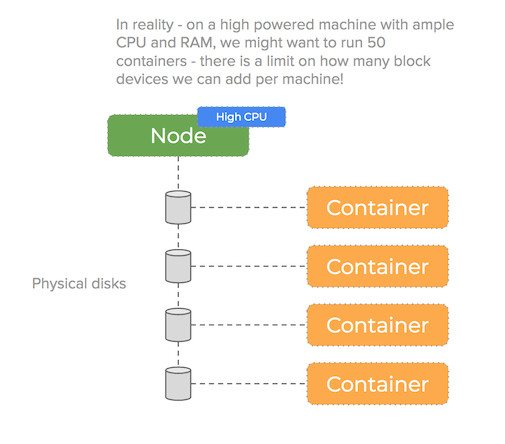
If you run many mining containers, some storage tweaks help a mining cryptocurrency machine go faster. Use SSD disks instead of spinning ones. Keep disks local, not network based, to cut delay. Don’t give each container a whole disk; share to boost density and run more workloads per host.
Storage tips for scale
- Use a cloud native software defined storage like Portworx for better container density.
- Add a dedicated SSD or NVME journal device for metadata if your provider allows.
- Pick the IO profile that fits: sequential, random, or db for write-back flush.
- Run compute on the same host as the blockchain ledger to keep things close and fast.
These steps come from folks who run big blockchain loads. They help a mining cryptocurrency machine avoid bottlenecks. Portworx decouples storage from containers so you can pack more miners per box. A journal device lifts IOPS presented to the filesystem. I like that they focus on plain disk speed, not magic.
Cloud Mining and Big Providers
Some people rent cloud gear to mine. If you use AWS, you need written approval under their service terms. You can’t use free credits or free tier for mining. Approved jobs get watched so they don’t hurt others. You must state your purpose, infra plan, security steps, and contacts before they say yes.
A mining cryptocurrency machine in the cloud can be a virtual box or a container cluster. Threat actors also target cloud GPU offerings for cryptojacking because those cores mine way better than CPUs. The NVIDIA T4, V100, and A100 are common abuse targets. More CUDA cores means more mining punch, with the V100 around 89 megahashes and A100 near 175 on Ethereum proof-of-work math.

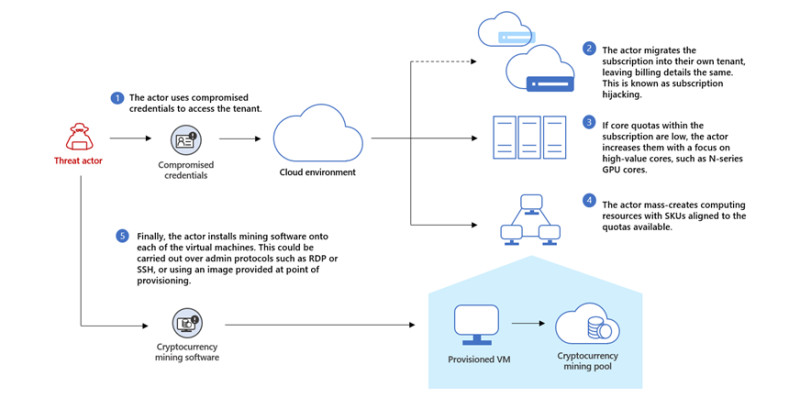
Microsoft cloud attacks showed a lifecycle: bad credentials get in, privilege rises, defense evaded by moving subscription, then GPU quotas bumped and compute deployed via scale sets or batch. A mining cryptocurrency machine rented by a crook looks the same as yours from the outside, so hosts watch quota jumps across regions.
When Hackers Use Your Machine
Now to the dark side. Cryptojacking is when someone secretly uses your mining cryptocurrency machine or any device to mine for them. It’s a cyberattack that wears down your gear and spikes your electric bill. If you ever wonder what a crypto virus actually is , this is it: malware that mines without asking.
IBM tracked a big jump in these attacks in a single year, and Microsoft found one malware family hit over 80,000 machines between first discovery in late 2018 and peak the next year. Cloud victims faced huge compute fees, sometimes over $300,000 for one org. A mining cryptocurrency machine you own can be hijacked the same way if you slack on security.
Cybercriminals send the reward back to themselves while your fan screams and your power meter spins.
The Rarog Trojan spread wide with thousands of samples and command servers, mostly in Philippines, Russia, and Indonesia. Its operators made only about $120 at best, and many lost money after the purchase price. So crime here isn’t even that profitable for the small guy, but it costs the victim plenty.
Signs of Unauthorized Mining
You should watch for weird behavior. A mining cryptocurrency machine that suddenly runs hot, with fans loud and battery draining, is a red flag. Task manager may show high CPU or GPU use when you’re doing nothing. Strange network traffic to unknown IPs is another tell.
Common cryptojacking signs
- Computer overheats and fans run fast with no clear reason.
- Battery drains quick on laptops even when idle.
- High CPU use in task manager not tied to your work.
- Network spikes to strange IPs or known mining ports like 3333.
If you see unknown processes, check them. A mining cryptocurrency machine under your control should only run what you installed. Anything else is trouble. Unfamiliar processes that start on their own are a clear call to scan the box.
Common Cryptojacking Methods
There are a few paths the bad guys take. Browser based scripts run while you visit a site. Local file based malware comes from an email attachment. Server or cloud based attacks hit big providers and are the most lucrative because those boxes are powerful.
Ways they get in
- Browser JavaScript: hidden code on a page uses your CPU while you browse, sometimes after you leave.
- Local machine file: you download a bad file that mines quietly in the background.
- Server or cloud: attackers hit company cloud to mine on powerful boxes at scale.
- Botnets and worms: known botnets spread mining across many victims via USB or SSH.
Monero is a favorite target because its privacy features let CPU mining stay feasible. Many cryptojacking ops focus on Monero. So a mining cryptocurrency machine tuned for Monero might also attract malware looking for easy CPU cycles. The underground talk around miner tools grew sharp starting back in 2017.

Common repurposed Monero utilities include XMRig, CPUMiner-Multi, and others. Ads on underground boards sell stealth miners that hide from task managers or stop when you play a game. A mining cryptocurrency machine owner should never download such stuff. Stick to open source you can verify.
Real Malware Campaigns
Some attacks got documented well. Dexphot malware showed up after another infection. It ran fileless, changed names often, and hid inside normal Windows processes. Hard to catch with old antivirus. Rarog Trojan installed to a fake system folder, persisted via registry and tasks, and mined Monero with XMRig. It throttled to half CPU and killed other miners.
Another campaign used stolen cloud credentials to spin up mining containers fast. The actor deployed a malicious image with a miner binary and used pools with odd domain names. A mining cryptocurrency machine in the cloud can be cloned at huge scale if keys leak. Microsoft saw lifecycles where attackers raised GPU quotas and deployed via scale sets, Azure ML, and containers.
Rarog sold for a price close to $104 since mid 2017, and most operators barely broke even after fees.
Top mining domains seen in cloud attacks include nanopool, nicehash, supportxmr, and minexmr. A mining cryptocurrency machine that talks to those without your say-so is likely compromised. Blocking those domains at the firewall is a plain, solid step.
How to Detect Mining Malware
You need to watch for indicators. Connections to unknown IPs, known mining pool ports, and sustained high GPU use are clues. Amazon GuardDuty uses machine learning on flow logs and DNS to flag crypto tool talks. Microsoft Defender spots crypto-mining activity and odd subscriber transfers between tenants.
For a mining cryptocurrency machine at home, keep antivirus that knows mining software for crypto coins and block known pool domains. Browser add-ons can stop drive-by scripts. Deep packet inspection can block unencrypted stratum traffic, and for HTTPS you blacklist popular pool IPs.

Stratum protocol detection looks for subscribe messages over TCP or HTTP with JSON-RPC. If you run a network, alert on those patterns. A mining cryptocurrency machine you built should not phone home to a pool you didn’t configure. That single check catches most theft.
Protecting Your Mining Cryptocurrency Machine
Good habits cut risk. Enable threat detection across all accounts if you use cloud. Turn on runtime monitoring. Set alarms for CPU or network spikes. Use least privilege for access and force MFA. Rotate keys and patch often. A mining cryptocurrency machine left on default creds is a sitting duck.
Defense steps
- Enable GuardDuty or Defender and watch alerts daily.
- Use IAM roles not long lived keys, and enforce MFA everywhere.
- Block outbound to known mining pools with firewall rules.
- Keep endpoint antivirus able to flag crypto miners and update web filters.
For endpoint and local machine, train yourself to avoid phishing that drops scripts. Use ad-blockers and anti-cryptomining extensions like Minerblocker. A mining cryptocurrency machine should only run software you trust. Be wary of downloads from untrusted sources, and keep your system patched.
A VPN does not stop mining malware, but it helps privacy when you transact. The bigger win is monitoring CPU and keeping software fresh. A mining cryptocurrency machine that you check often is one the crooks will skip.
Legal and Tax Bits
The IRS addressed tax for mining back in 2014. Miners recognize income when they get reward tokens at market value. If mining is a trade or business, self-employment tax applies. Employees treat it as wages. Most places haven’t made clear laws, but FinCEN sees miners as money transmitters. Some countries tax it as business income.
A mining cryptocurrency machine is legal in many spots like Canada and US, but check local rules. Israel treats it as business subject to corporate tax, India has uncertainty, and few countries ban it outright. Renting rigs for a legitimate crypto investment is fine if you follow tax steps. I’m not a lawyer, just saying read up before you file.
Environment and Cost
Mining draws power and makes heat. Climate folks worry about fossil fuel use. Some communities looked at proof-of-stake to cut waste. A new coin called Pearl uses a useful-work idea, but reports say most of its mining runs inference nobody asked for, burning massive GPU power for no real AI output.
For a mining cryptocurrency machine , rising difficulty and coin price drops shrink profit. One report showed an RTX 5090 daily revenue drop by nearly half as network difficulty climbed. Another claim said roughly 320,000 RTX 3090-class GPUs burn 112 megawatts on zero useful computation. So watch the math before you buy gear.

The average ASIC using huge terawatts per bitcoin in ten minutes is a historical figure that still shows the scale. A mining cryptocurrency machine in a region with cheap hydro power can still pencil out, but in a city with high rates it is a loss. Know your cost per kilowatt hour.
Keeping Your Wallet Safe
If you mine, you need a place to store coins. Your crypto wallet key must stay private. I like to think of crypto for dummies as just: coins live in a wallet, and the key is the lock. To verify a crypto address before sending, use a block explorer.
For storage, the safest crypto wallet is often a cold wallet for crypto that stays offline. A cold storage usb device keeps keys off the net. A mining cryptocurrency machine should not hold your main savings; send coins to cold storage after payout so a hack on the rig doesn’t drain you.
Keep your seed phrase offline and never type it on a hot machine.
A hot wallet on the same box as your mining cryptocurrency machine is convenient but risky. If cryptojacking leads to a wider breach, the wallet could go too. I keep mine on a separate device that never touches the mining network.
My Take on Running a Mining Box
I find the whole topic fun but messy. A mining cryptocurrency machine can teach you about blockchain and earn a bit if power is cheap. But the hacker angle is real. You must shield it or someone else rides free on your electric bill.
Stick to clear pools, watch temps, and use basic security. If you want a legitimate crypto investment , mining is one path but not the only one. I’d rather sleep knowing my rig isn’t part of some botnet stealing compute from a cloud tenant.
Wrapping Up the Technical Side
We covered how a mining cryptocurrency machine works, the gear, the pools, and the nasty malware. The source data shows performance hinges on storage and closeness of compute to ledger. It also shows cryptojacking costs real money and wears hardware down fast.
Remember to monitor for strange processes and lock down cloud keys. A mining cryptocurrency machine is a tool; treat it like any valuable gear. Patch, watch, and keep your wallet keys cold. The small steps add up to a rig that runs for you, not for some crook in another country.
The diagram from a cloud vendor shows the steps from stolen login to mining payout. A mining cryptocurrency machine in your closet won’t face that exact chain, but the lesson holds: control access, watch for weird quotas, and alarm on strange traffic.
Extra Notes on Monero and CPU Mining
Monero stays friendly to CPU miners due to its memory-hard algorithm and privacy ring signatures. That also makes it a top target for criminals. A mining cryptocurrency machine built from old PCs can still mine some Monero, but watch for malware like XMRig abuse. Use only trusted mining software for crypto coins .
The underground market sells many miner tools, some with stealth modes. Prices ranged from $23 to $200 for bundles with stealers or spreaders. A mining cryptocurrency machine owner should never download such stuff. Stick to open source you can verify, and check the hash of any binary you run.
Why Storage Choice Matters
I mentioned SSDs earlier. For a mining cryptocurrency machine at scale, spinning disks kill speed. Local disks cut latency. A journal device for metadata boosts IOPS. These aren’t sexy tweaks but they keep your rig from choking when the blockchain grows.
Portworx examples show near raw disk speed with right profiles. If you run containers, set sequential or random per app. DB profile needs replication factor three and coalesces syncs within a short window. Simple rules, big gain for any mining cryptocurrency machine that reads and writes the ledger a lot.
Cloud Approval and You
If you rent cloud GPUs, respect the host rules. AWS needs approval and bars free tier mining. A mining cryptocurrency machine in their data center must follow architecture and get monitored. Same for Azure; they watch for GPU quota jumps and weird tenant transfers. Unauthorized mining there signals bigger holes: backdoors, data exposure, lateral move.
Comprehensive protection cuts detection from days to minutes. That’s good for any mining cryptocurrency machine operator who plays by the rules. Use service control policies to deny open Lambda URLs, scan container images, and set up incident response for disabled API termination. The crooks count on slow humans, so automation helps.



Comments on “Mining Cryptocurrency Machine: How to Use One and Shield It from Hackers”
No comments yet. Be the first to share your thoughts.