
What NFTs Are in Plain Words
Let’s start with the basics. An NFT is a unit of data on a blockchain. That might sound fancy, but it’s really just a record that says you own a specific digital thing. The letters stand for non-fungible token. Fungible means identical to another, like a dollar bill. Non-fungible means one of a kind, like a specific car sitting in your driveway. So an NFT is a unique tag on a public list. When I talk about making nfts for free , I mean creating that tag without paying the usual fees.
To get the blockchain tokens explained part: think of a blockchain as a shared online ledger. Many computers hold the same copy and check each trade, making it hard to fake. Ethereum is one such blockchain built for smart contracts. Most NFTs live there. This base tech matters because it’s where your token sits-a shared spreadsheet in the cloud, verified by users.
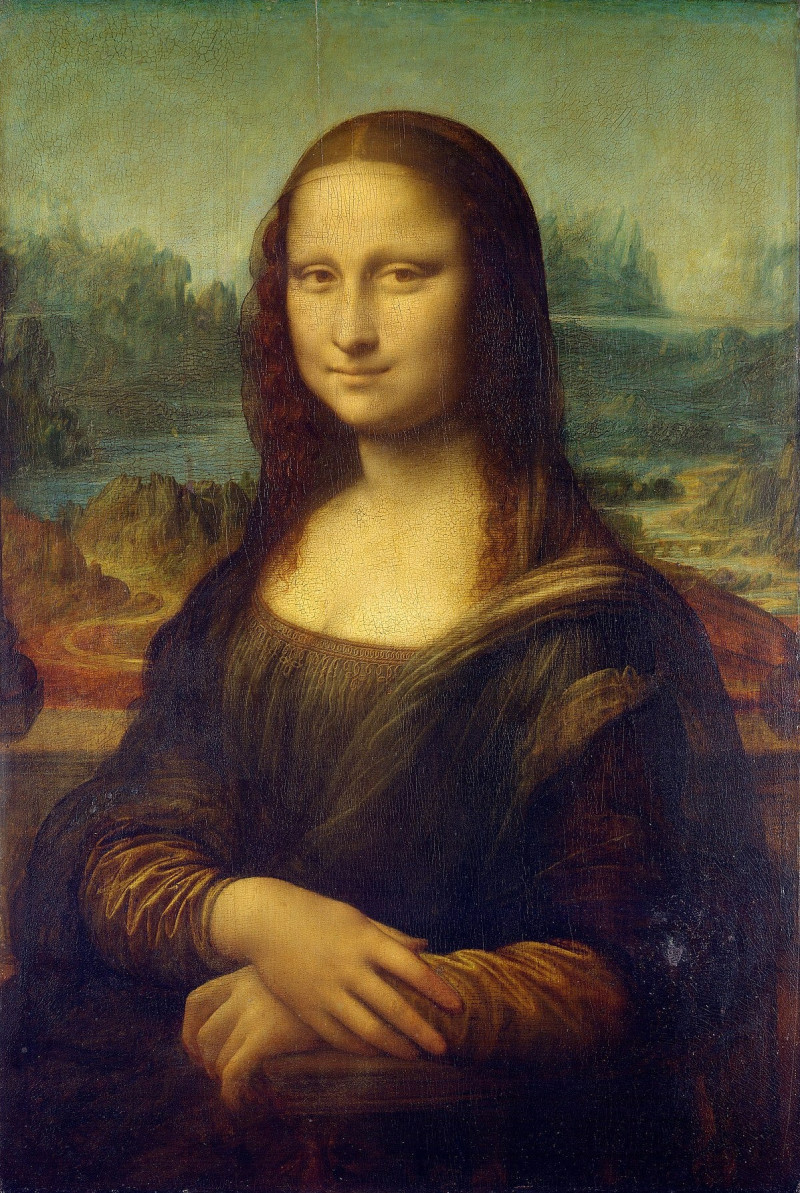
The Mona Lisa is a useful example. The real painting sits in a museum, but anyone can save a picture of it from the web. An NFT tries to designate who owns the “official” version of a digital file. Yet the file can still be copied. That’s a weird gap I’ll touch on later. An NFT doesn’t imply any rights assignment. The author keeps all rights unless they explicitly assign some when minting-which, frankly, isn’t commonly done.
How Minting Turns Art Into a Token
The act of making an NFT is called minting. You take a digital file and push it to the blockchain. The creator can add info like traits or a link-a punk NFT might list accessories and type, for instance. Minting is the step where you become the first owner on the ledger. When how do you create an nft comes up, minting is the answer. Technically, an NFT is simply a token representing an object. It isn’t required to point to the object, and the object need not even exist.
One artist described it simply: long ago, people made ledgers to track trades. Blockchain is a peer-to-peer version that needs many computers. Ethereum came later, reportedly after someone got mad about a game nerf. Beeple made a lot of money with NFT art. But at its core, an NFT just points to a line saying “you own this.” It doesn’t stop copies. Including a URL or content identifier is just artistic courtesy.
At its core, an NFT just points to an entry on a ledger that says “you own this.”
Why People Buy NFTs
There are a few reasons someone pays for a token. Some like unique art they can prove they own. Some want to support the artist. Others hope the price goes up. Games and virtual worlds use them too. I find the mix of art and speculating interesting. A royalty-typically 10%-can be written into the smart contract so the original artist gets a cut of every later sale.
Common buyer types
- Collectors who want authenticated works
- Fans supporting a creator they like
- Investors betting on future value
- Gamers needing items in blockchain games
- Status seekers wanting tech history like CryptoPunks
CryptoPunks were among the first NFTs-10,000 of them generated by code. Owning one is like holding a piece of early tech history. CryptoKitties is a game where people breed virtual cats. One cat named Dragon sold for 600 ETH, a large sum at the time, while a regular cat ran around $65. These stories drive price more than the picture itself.
Mental Models for NFT Value
Some writers break NFT worth into levels. First is signifier value-like an autograph or a baseball card. Second is agency value, where the token unlocks a club or game. Third is right-to-future-rights, where later tech may honor the token. This helps explain why making nfts for free can still feel meaningful to some. The most realized example is .eth domain names via Ethereum Name Service, which works like DNS.
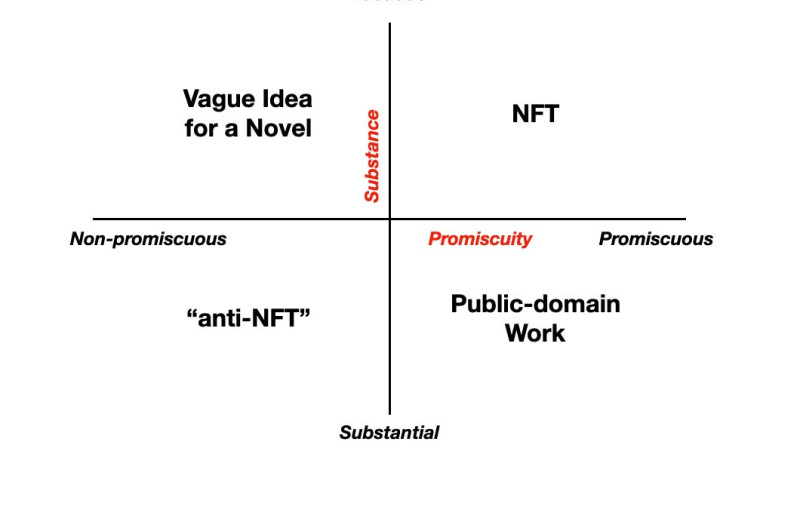
They call NFTs “promiscuous and vacuous” social objects. That means they carry no built-in payload-just a claim in a social space. Most will be worthless, but a few plant a seed for new contexts. The magic beans analogy fits: NFTs are like Jack and the Beanstalk’s beans, a pass to a possible future that may never come.
NFTs are a better kind of vaporware-like Jack and the Beanstalk’s magic beans, an access pass to an unspecified possible future.
Traditional Cost of Making NFTs
Normally you need a wallet with some Ether to mint. The fee paid to miners is called gas. These gas fees crypto fluctuate a lot. One photographer paid $36 for a first mint, saw it as high as $118, and sometimes as low as $5. Weekends tend to be cheaper. This cost stops many beginners. The Bored Ape Yacht Club collection has 10,000 artworks, and the cheapest one listed for a huge amount of ETH, showing how high entry costs can climb for famous sets.
That’s why the idea of making nfts for free is such a draw. You skip the upfront gas. But there are trade-offs we must look at. Traditional minting also means you pay gas even if the item never sells-a real risk for new makers.
Gasless Minting on Marketplaces
Some sites let you delay the mint until the item sells, shifting gas to the buyer. Mintable has this option. The catch is a higher sale fee and no royalties for the artist. Rarible doesn’t offer gasless-only normal minting with a 2.5% fee and your set royalty. On Mintable, the regular mint takes 2.5% fee and gives 5% royalty.
If you want to try making nfts for free , gasless is one path. Just know the terms. A store on Mintable used to cost $600 for a custom setup with 50 tokens, but the gasless route itself is free to start. Creating a Mintable store that way includes no extra gas but fixes your royalty.
Open vs curated platforms
- Mintable lets anyone mint with gasless option
- Rarible is open but charges regular fees
- OpenSea and Cargo are open to all
- Foundation and Super Rare need invites
- MakersPlace and Nifty Gateway are curated too
Free Mint Platforms Like Rodeo and Remx
Newer sites built free minting as the norm. On Rodeo the cost is a tiny amount of ETH-about 29 cents with normal fluctuation. Remx lets you post as Free or tip. This makes making nfts for free very easy. But easy has a downside. Free mints have become the new normal on these emerging platforms.
When there’s no cost, some say there’s no perceived worth. Collectors grab free things hoping to flip them for 5x or 100x. Artists may get exposure but little money. The daily 24-hour cycle forces rushed chaos as artists scramble to mint each day. Platforms like Rodeo call them “posts,” not galleries. I think that’s a real problem to watch.
Free mints devalue things: when there’s no cost, there’s no perceived worth.
Step-by-Step Setup for Free Minting
Before you mint, set up some basic safety. Use a new email just for this-ProtonMail is good for encryption. Turn on two-factor auth with an app like Authy. Get a wallet like MetaMask that works in your browser. Then pick an exchange to buy ETH if you need any for later steps.
Steps to get ready
- Make a secure new email address
- Set up Authy for two-factor login
- Add MetaMask browser extension wallet
- Choose an exchange like Coinberry or ShakePay
- Use gasless option on Mintable to avoid outlay
For those asking how do you start a cryptocurrency journey, this is the entry point. You buy a coin, move it to your wallet, and connect to a marketplace. No need to mine. The photographer guide suggests this exact path before any mint.
Wallet and Exchange Choices
MetaMask is free and shows your NFTs. Exchanges differ. ShakePay covers gas but asks a minimum withdraw of 0.1 ETH. Coinberry has a flat gas fee and a signup bonus that can cover it. The crypto token vs coin difference shows here: Ether is a coin, while an NFT is a token built on it. Both live on the same chain but serve different jobs.
You can also look at mine crypto for free talks, but minting is not mining. Minting creates a token; mining secures the chain. Different steps. A new wallet for big trades is smart to limit risk if something goes wrong.
Case Study: 3D Printing Collection
One blogger made a 3D typeface collection called BITSnATOMS. He’d shared files free before, then used NFTs to record ownership and royalties. The process involved CAD software and converting files to GLB for OpenSea. This shows making nfts for free can document work even if the files stay open. The design used a voronoi lattice made in Meshmixer and Paint 3D.
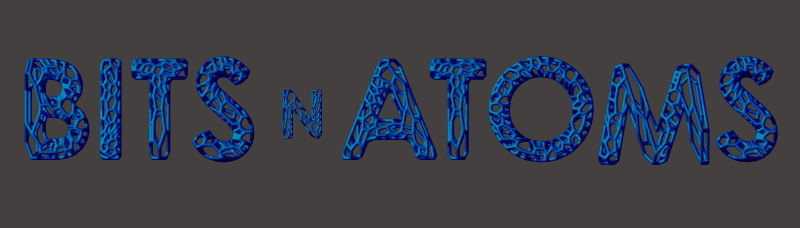
Marketing is hard with millions of tokens out there. But the ledger keeps his name attached-that part is good for creators. He had no batch upload on OpenSea, so each item went one by one. A small pain, but not a cost.
Case Study: Photography NFTs
Photographer Anne McKinnell minted a photo with bragging rights only. Others sold on Foundation or MakersPlace. Some added royalties so they get a cut on resale. This is a strong reason to learn how do you create an nft even on a small scale. Trey Ratcliff used Foundation, Iliya Iliev used MakersPlace, Marcel Van Luit used Rarible.
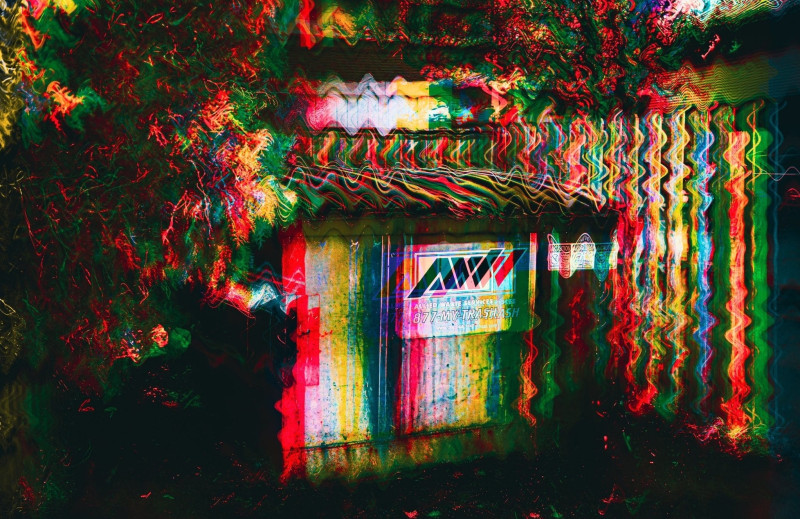
Michael Falk used free mints on Rodeo for a photo series. He called one image “Taking Out the TRASH.” The free route gave him reach but not cash-a trade many makers face. He also did a blind drop of 35 unique photos, showing how a person can experiment with zero cost.
Case Study: Authorship Royalties
Writer Hugh Howey imagined selling 10,000 numbered copies of a book as NFTs. Each sale would send small amounts to illustrator, cover artist, and editor. The secondary market would still pay them. That use of making nfts for free tools could help teams earn over time. The plan was $5 per copy with $0.20 to each helper plus a cut of future sales.
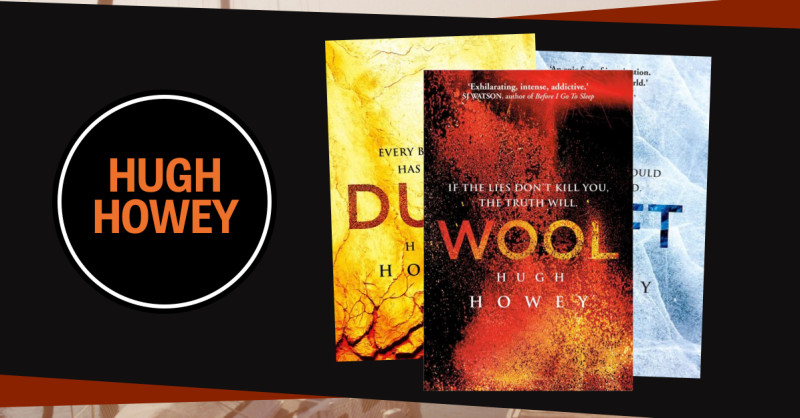
The idea is simple: the blockchain can split payments automatically. No publisher needed. I like that part a lot. Today a used book gives the author maybe 15% once, but an NFT secondary market includes the creator every time.
Stolen Art and Moral Rights Issue
Not all minting is fair. Artist David Revoy found his free Catavatar art used for NFTs without his profit. He said his moral right was hit. Platforms rarely check copyright. This is a dark side of open mints. A copy called Nice Kittens on another chain had no attribution and was removed.
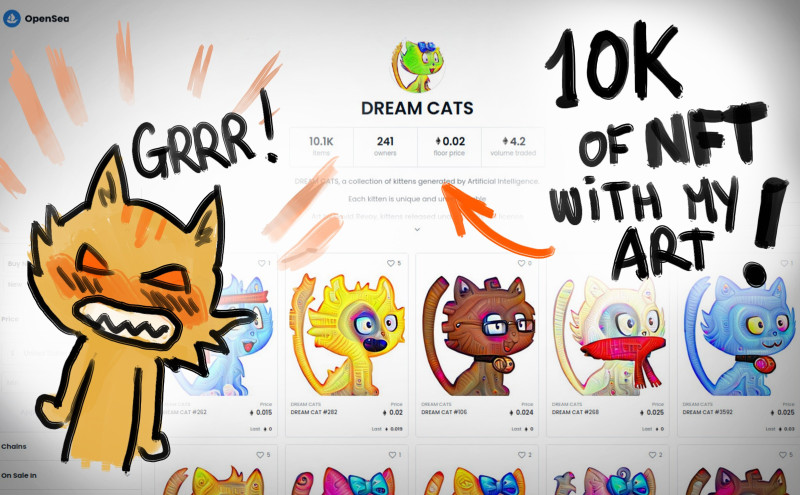
If you plan on making nfts for free , please use your own art. Taking others’ work hurts the space. Revoy couldn’t afford court, so social push was his only tool. Always make sure you have the right to mint what you post.
A Trader's Quick Win
One trader bought an image for $1,500 and sold it for a 50% gain in two weeks on Hashmasks. He bought entry-level tokens at 1–2 ETH, held a few weeks, and saw average price rise to 4x. He got offers without even listing. This shows the wild swings in the space.
He also advised using a new wallet for big transactions for security. Join Discord channels, check if the NFT is stored on IPFS, and see if the smart contract is audited. The NFT space is volatile, and what goes up can fall fast.
Market Effect of Free Mints
Free mints change how people think. When lots of stuff is free, buyers ask why pay at all. Artists who price work get pushback. The pool fills with noise. Some say only exposure remains. Artist-collectors are the majority on these platforms, and if they leave, only a tiny crowd is left.
What are we actually building? A thriving ecosystem or a revolving door of noise?
This matters for the health of the market and ties to token demand. If everything is free, value drops. Pulling from the same small group of supporters erodes the base. I think the zero-cost model needs balance to keep real art alive.
Scarcity and Value in NFTs
Scarcity only works if the supply is capped. If a game made 39 million unique characters, cost would be insane. Desire must exist. NFT items fall in price unless kept up with real money-a hard truth. A pyramid scheme based on scarcity can’t scale to tons of people.
Why most NFTs fail
- Too many free items with no limit
- Low demand from real buyers
- No ongoing use or community
- Developers cannot afford to maintain value
- Most will be worthless while a few seed value
One game dev said you must cap growth to have scarcity matter. Very few people make money; most lose it. I think that’s honest. If only one person owned Mario in Mario Kart, the rest would feel bad-showing why broad ownership beats tiny supply for play.
Environmental and Scam Concerns
Some say crypto uses heavy power and hurts the planet. Others say Ethereum use is fixed and one mint doesn’t add load, like a train running the same speed regardless of passengers. The truth is mixed. Also scams happen: one guy “sold” an NFT to himself for a huge sum to fake demand. Taxes now apply in many places for crypto as securities.
Two kinds of people into NFTs: crooks and greedy idiots.
Be careful with wallets. Use a fresh one for big trades. Check if the NFT is stored on IPFS and the contract is real. The CSGO gambling scandal is compared-where youtubers faked wins to lure kids. That same trick shows up in fake NFT volume. Know the signs.
Possession vs Social Context Rights
An NFT doesn’t give you the file rights by default. The value comes from social context. Domain names are scarce because the system says so. NFTs let any object make its own scarce context. CryptoPunks were free at first, then gained meaning. The donut example: possessing a donut gives little of the value compared to recipe and brand.
So how to earn crypto for free by minting may not give possession of art, just a claim. The Louvre has the physical Mona Lisa but other rights are public domain. Physical possession derives value from those other rights. NFTs work the same way through social trust.
My Take on Making NFTs for Free
I see making nfts for free as a useful door for creators. You can record ownership, set royalties, and reach fans. But the free part can hurt perceived worth. My advice: use your own work, pick a capped supply, and learn the platform terms. That keeps you safe. The crypto currency best habit is to read before you post.
If you want making nfts for free as a start, try gasless Mintable or a free Rodeo post. Just go in with eyes open. The space is messy but interesting, and the tools keep getting simpler for regular people like me.

Comments on “Making NFTs for Free: Simple Steps to Mint Your First Token Without Spending a Penny”
No comments yet. Be the first to share your thoughts.