

Why Hold Crypto in Your Portfolio
Let me start with a simple question: why would anyone invest in crypto currency at all? The answer, at least to me, is not about getting rich quick. It’s about fitting a small, speculative slice into a broader plan. Think of it like adding a dash of spice to a dish you already know well. You’re not betting the whole meal on it, but it might add a little something.
In late 2024, Bitcoin crossed $100,000. That kind of number grabs attention. But the reality is that even a big swing like that only moves the needle if crypto makes up a meaningful chunk of your portfolio. For most people, that means keeping it small. One investor I’ve followed, Francis Bayes, kept his crypto at around 2%. He said it felt like a “finger-in-water” check-testing the temperature without jumping in headfirst.
Bayes first wrote about holding crypto in 2021, when Bitcoin was in the $40,000 range. By mid-2022, it had dropped below $20,000. Some called him stubborn. Others called it “copium.” But he stuck to a plan: limit crypto at 2% and rebalance it once or twice a year. Over time, that patience paid off. By 2024, his small crypto position had a 91% real return.
His take? Crypto isn’t a main course-it’s a side dish. And if you’re going to include it, do it with a plan. Not a gamble.
You don’t need crypto to be rich. You just need to be rich enough that crypto doesn’t matter.
Small Allocations and the Art of Rebalancing
If you’re going to invest in crypto currency , keep it small. That’s what Bayes did. His allocation sat at 2% of his portfolio. He said anywhere from 1% to 5% felt like a reasonable range for people who wanted to dip their toes without drowning.
Rebalancing crypto requires more attention than your stock holdings. Bayes set triggers: if crypto fell to 1.6% of his portfolio (0.8x target), he’d buy more. If it climbed to 2.5% (1.25x target), he’d sell the excess and move it to stocks. Simple rules, written down.
Key Rebalancing Rules
- Lower threshold: 0.8x target (about 1.6% for a 2% goal)
- Upper threshold: 1.25x target (about 2.5% for a 2% goal)
- Use cash from checking-not retirement accounts-for crypto trades
- Track allocations in a spreadsheet with conditional formatting
Even with a plan, emotions sneak in. During the 2022 crash, Bayes held back, buying only small amounts instead of a big lump sum. In 2024, he hesitated at $90,000, then $95,000. He finally sold the excess while writing about the importance of sticking to a plan. That’s the thing-it’s easier to write a plan than to follow it.
Comparing Stocks and Crypto
Stocks and crypto don’t play the same game. Stocks live in a world of rules, oversight, and centuries-old infrastructure. You can buy shares of Apple through platforms like a blockchain stock , or go with broad index funds like those from a blockchain ETF like Vanguard might offer. But crypto? It’s still the Wild West.
University of Illinois researchers broke it down like this: stocks come with SEC oversight, regulated exchanges, and decades of data. Crypto has none of that. The risks are different, too.
Stock vs Crypto Risks
- Purchasing-power risk: Inflation erodes cash savings over time
- Market volatility: Prices swing wildly in crypto
- Tax liability: Gains on both are taxable
- Fraud and scams: Bigger problem in crypto than stocks
- Limited historical data: Crypto is just 18 years old
Rewards matter too. Stocks pay dividends, offer capital gains, and let you benefit from compounding over decades. Crypto’s payoff is speculative-driven by adoption, sentiment, and sometimes memes. But it’s also divisible, transferable 24/7, and accessible without a bank.
For most people, I think stocks are the foundation. Crypto, if you include it at all, is the wildcard.
Understanding DeFi and Stablecoins
DeFi-or decentralized finance-is crypto’s attempt to rebuild banking without banks. Sounds neat in theory. But in practice, it’s messy. A 2022 explainer by Ming Zhao highlighted something key: most crypto investors can’t explain why they’d want to use it for everyday stuff. One reader asked, “Can I use it to pay for groceries at Safeway?”
Good question. The answer? Not easily. Taxes are in national currency. Sales taxes lock most domestic transactions into the same system. Even international transfers-where crypto could shine-have alternatives like a DeFi trading platform or traditional services like TransferWise (now Wise).
Stablecoins were meant to fix this. Tokens like USDC and Tether promise to stay pegged to the dollar. But critics argue they’re still tied to the same financial system they’re supposed to replace. A stablecoin needs reserves, insurance, and crisis management-all things banks already do.
DeFi Limitations
- Taxes are paid in national currency
- Sales taxes lock most domestic transactions in place
- Stablecoins rely on dollar reserves, not decentralization
- Crypto transfers depend on conventional institutions at the edge
DeFi has potential. But it’s early. And the complexity often scares off people who just want to send money or check their balance.
Many crypto assets have no cash flow. If you don’t believe in future buyers, why hold it at all?
Privacy, Security, and Regulation
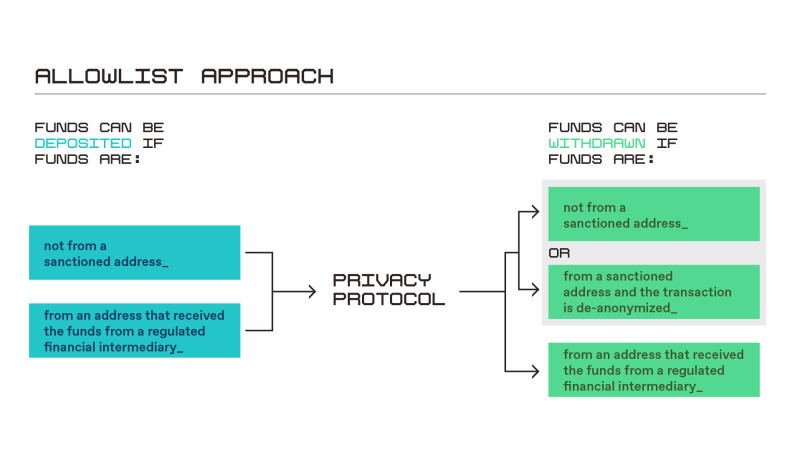
Crypto promises privacy. But blockchains are transparent by default. Every transaction is public. Tools like Tornado Cash try to fix that. But regulators see them as risky. In 2022, the U.S. Treasury sanctioned Tornado Cash addresses linked to $7 billion in laundered funds.
This tension defines crypto’s future. Developers want to preserve user privacy. Governments want to stop illicit use. The balance is tricky.
Privacy Tools and Trade-offs
- Zero-knowledge proofs: Let users prove eligibility without revealing details
- Deposit screening: Blocks flagged wallets before they enter a protocol
- Withdrawal screening: Freezes assets tied to bad actors
- Selective de-anonymization: Lets courts trace illicit funds with warrants
Self-custody adds another layer. Hold your own keys, and you control your crypto. Lose them, and it’s gone forever. No customer service, no reset button. Exchanges like Coinbase offer convenience but come with counterparty risk.

Bayes kept his crypto on a major exchange. He liked the convenience. But he knew the risks. “If someone breaks into my account, I lose some money. If I mess up the keys, I lose everything,” he said.
Regulation is coming. And when it does, it might make crypto safer-or kill its rebel charm.
Market Size, Adoption, and the Risk of Chasing Returns
Bitcoin’s market cap is around $2 trillion today. Gold’s is $18 trillion. Stocks? $55 trillion in the U.S. alone. Crypto is tiny by comparison. But it grew fast-faster than anything else.
That speed creates temptation. People chase returns. They buy high, hoping to sell higher. But Francis Bayes had a different view: don’t invest in crypto because it’s going up. Invest because you’ve planned for it.
His math is worth remembering: over four years, his 2% allocation nudged his portfolio’s annualized return up by 0.22%. On a $10,000 investment, that’s about $2,800 extra after 30 years. Not life-changing. But not nothing.
A 2021 bitFlyer survey found that 30% of Americans viewed Bitcoin as an attractive investment that year. It ranked fourth, behind stocks, real estate, and-believe it or not-gold. Young investors were especially bullish. Older ones? Not so much.
Barriers to Entry
- U.S.: Main barrier is lack of funds, not fear of loss
- Japan: Fear of losing money dominates sentiment
- Both countries: Need for better education and simpler tools
Crypto enthusiasm isn’t universal. And adoption still hinges on use cases-not just price gains.
Buying at a high price just because the price is high is a bad way to build wealth.


Comments on “How to Invest in Crypto Currency: Stocks, DeFi, and Market Risk”
No comments yet. Be the first to share your thoughts.