
What a Cold Wallet Really Is
I want to talk about the best air gapped cold wallet you can pick for real safety. But first, let’s get clear on the basics. A cold wallet is a physical device that keeps your private keys fully offline. That means no internet touch, so hackers can’t reach them from far away. Some call this what cold wallets are - just offline storage for coins. The cold wallet for crypto idea is simple: if keys never meet an online device, they stay safe from remote attacks. I like that kind of peace of mind. A crypto storage wallet of this type gives you control, no bank needed. It is a non-custodial way to be sole owner of your funds. The core principle is that keys offline cannot be taken by malware or remote hacking.
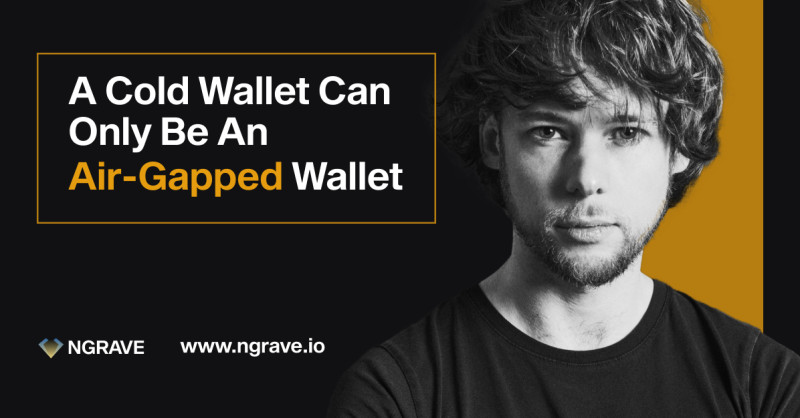
Not everyone agrees on strict terms. One maker, NGRAVE, says a cold wallet can only be an air-gapped wallet. Others say hardware that uses USB or Bluetooth but makes keys offline still counts as cold. Both views exist in the space. For this post, I focus on the strict best air gapped cold wallet that drops all connectivity. But I will mention the broader cold options so you see the full picture.
"A cold wallet can only be an air-gapped wallet. Uncompromised security." - statement from NGRAVE's co-founder in a past write-up.
Why the Air Gap Matters So Much
Not all cold storage is equal. Some devices use USB or Bluetooth but keep keys offline. That's still cold by broad definition. But a true best air gapped cold wallet drops all wires and wireless. It talks via QR codes or microSD cards. That kills whole classes of remote attack. Your cryptocurrency wallet key never sits on a device that can chat with the net. I think that's the gold standard for self-custody. Theft reports show billions lost from online breaches and exchange hacks. If big pros get hit, a normal person on a hot wallet is even more exposed.
One user lost forty-seven thousand bucks in seconds from a phishing link that triggered a bad token approval. A real air gap plus careful signing would have helped. Surveys show a growing share of crypto holders prefer self-custody, with earlier figures around 42% and later past surveys above half. Cold wallets are no longer niche; they are a standard for anyone holding more than a few hundred dollars. Over 70% of users prefer hardware wallets for security features. Two-factor can block up to 95% of unauthorized access. So I always point folks to offline first. Hey, don't skip this part: the gap is your friend.
Kinds of Cold Wallets You Will See
There are active and passive types. Active ones generate and sign keys inside the device. Passive ones are just backups of your seed on paper or metal. Below are the main forms I run into when researching the best air gapped cold wallet options. Knowing the shape helps you pick. A cold storage usb device is active but not fully air gapped if it plugs in.
Common cold wallet forms
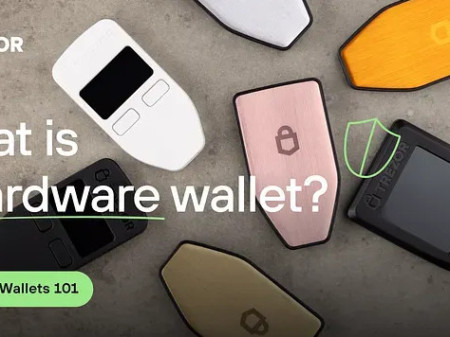
- Hardware wallets - small devices with secure chips, like Ledger or Trezor.
- Paper wallets - printed keys, free but fragile, good for small tests.
- Steel or metal backups - engraved seed phrases that survive fire and water.
- Air-gapped computers - old laptops never put online, for tech-savvy users.
- Fully air-gapped hardware - QR or SD only, no USB, no Bluetooth, no WiFi.
Paper and steel are passive. They hold the words to restore, but you need another device to move funds. Hardware and air-gapped computers are active. They can make keys and sign without exposing data to net. The fully air-gapped hardware is the strict pick for the best air gapped cold wallet .
Meet the Fully Air Gapped Hardware Picks
If you want the strict version, look at models built with zero connectivity. The best air gapped cold wallet for many is the Keystone 3 Pro. It uses QR codes instead of USB, Bluetooth, or WiFi. It has a 4-inch color touch screen and open source firmware. Ellipal Titan is a brick that rejects any wireless and self-destructs if opened. Coldcard is Bitcoin-only, uses SD cards, and suits purists with multi-sig. NGRAVE ZERO follows the stance that cold must mean air gap, with no ports.
Fully air-gapped models at a glance
- Keystone 3 Pro - QR transfer, triple secure element, open source firmware.
- Ellipal Titan - no USB/BT/WiFi/NFC, tamper-proof shell, DeFi support.
- Coldcard Wallet - Bitcoin only, SD card signing, multi-sig, steep learning.
- NGRAVE ZERO - made under the belief cold equals air gap, no ports.
These devices force you to move data by camera or card. That extra step is the point. It means no hidden radio can leak your cryptocurrency wallet key . Some find QR signing less smooth than Bluetooth, but maximum isolation wins for long-term storage.
Keystone 3 Pro supports 5,500+ coins and tokens, with fingerprint auth and open code. Ellipal Titan is bulkier and less portable, QR process less intuitive for some, but its self-destruct on tamper is neat. Coldcard has steep learning curve, no altcoins, yet advanced multi-sig. NGRAVE ZERO comes from a team with decades in secure chip tech, and they claim safeguard against Dark Skippy attacks from day one. These details matter when you weigh the best air gapped cold wallet .
"If private keys never touch an internet-connected device, they cannot be compromised by remote attacks." - common principle in the source guides.
Other Cold Wallets That Still Keep Keys Offline
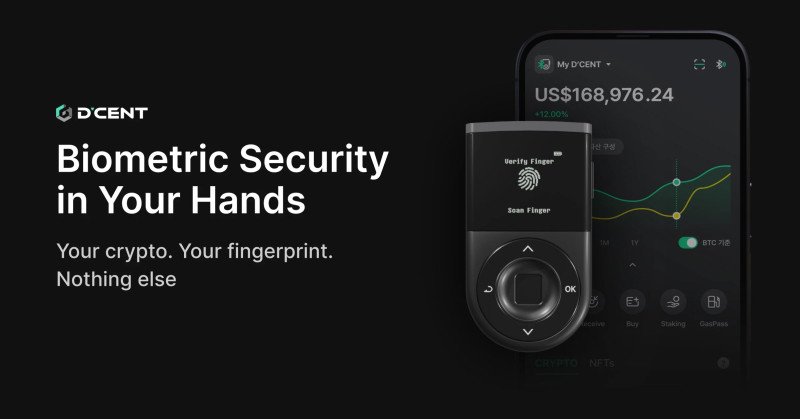
Many popular devices connect by Bluetooth or USB but generate keys offline. They are cold by the wide definition. Ledger Nano X has BT and a secure chip, supports thousands of coins. Trezor Safe 3 is USB only and open code, with EAL6+ chip. D'CENT Biometric uses fingerprint and BT, adds threat detection. Tangem is a tap card with NFC only, setup under two minutes. These are not fully air gapped physically, but they keep your cryptocurrency wallet key off the net until sign time. A cold storage usb stick like some Ledger models works fine for many.
Brand chatter includes things like a OneKey secure crypto wallet or a OneKey crypto DeFi wallet . Folks also debate Trezor Safe 5 vs 7 specs. But for this post, the best air gapped cold wallet means cutting the cord entirely. Your best wallet for cryptocurrency might be simpler if you accept some wires. Ledger Nano S Plus is cheaper USB only. Trezor Model T is open touchscreen. All have trade-offs.
D'CENT Biometric lists zero breaches since 2018, covers 100+ blockchains and 4,800+ tokens, with 0.5-second fingerprint unlock. Ledger Nano X costs more, some worry on Bluetooth though keys never leave device. Ledger Nano S Plus is affordable USB only with less app space. Trezor Safe 3 supports 8,000+ tokens, open firmware, no device breach. Tangem has no screen, verification on phone, setup under two minutes. All are cold by broad def but not fully air gapped.
Security Chips and What Those Ratings Mean
Every decent device uses a certified secure element chip. That's the same tech in passports and bank cards. Ratings like EAL5+ or EAL6+ show test levels. Higher number means more assurance. D'CENT and Ledger use EAL5+ parts. Trezor and Tangem use EAL6+. Keystone uses triple chips. When I check the best air gapped cold wallet , I look for at least EAL5+. The safest wallet crypto talk usually starts with this chip. It resists physical tampering and side-channel probes.
EAL5+ is baseline; EAL6+ offers higher evaluation assurance. But a chip alone doesn't make a wallet smart. You also need good software and clear screens. I never pick a device without a built-in display to verify tx. That's part of the air gap promise.
Clear Signing and Threat Detection Save You
Most hardware wallets are passive vaults. They lock keys but don't warn about bad tx. Blind signing is when you approve a tx you can't read on screen. That's how most wallet losses happen. Clear signing shows the real recipient, amount, and network on device. D'CENT adds Blockaid scan on 50+ chains. Ledger has tx check. Trezor, Tangem, Keystone lack that scan in comparisons. I say don't skip this part when choosing the best air gapped cold wallet . A wallet that decodes what you sign is worth extra cost.
"Blind signing (approving a transaction you cannot fully read) is how most wallet-related losses happen." - from the beginner guide.
Some DeFi contracts send complex data older wallets can't parse, showing only a hash. Dangerous. Look for wallets with clear signing that display full details. D'CENT's Blockaid can flag scam addresses and honeypot tokens before you sign. That active protection is a step above a dumb vault.
Step by Step Setup of Your Device
No matter which model, setup follows a core path. I pulled these from maker guides. Take your time. Use the official app only. Write the seed on paper or metal, never snap a pic. Here's the flow I used for my crypto storage wallet test. Cobo adds: test recovery before storing big funds.
Core setup steps
- Unbox and check seal. Charge or plug in via USB-C if needed.
- Install companion app from maker site or official store only.
- Create new wallet. Device makes 24-word recovery phrase (BIP-39).
- Write phrase on paper card. Never photo or cloud it.
- Set PIN or fingerprint. Avoid 0000 or 1234.
- Verify phrase on device by confirming random words.
- Add first account for Bitcoin or Ethereum, get receive address.
- Send tiny test amount, confirm, then move the rest.

The package seal check is key. If it looks opened, contact maker. Never use third-party links for apps. The 24-word phrase is master backup. Practice restoring on testnet within a month to catch friction. I cannot stress this enough: test before you load life savings.
Backing Up That Recovery Phrase Right
Your phrase is the only way to restore if device breaks. Crypto lives on blockchain, wallet just holds keys. Lose the phrase with no backup and funds are gone for good. So backup smart. A cold wallet for crypto is only as good as its seed care. Metal plates cost $50–$200 from brands like Cryptosteel.
Seed backup best practices
- Never digital - no photos, cloud, notes app, or email.
- Metal backups - plates from Cryptosteel etc, cost $50–$200, survive disasters.
- Geographic spread - keep copies in safe deposit box and trusted family.
- Encryption - add BIP39 passphrase for extra layer.
- Inheritance - make sure trusted folks can access if you can't.
- Shamir backup - split secret, store parts on metal in separate places.
- Practice recovery on testnet soon after setup, and yearly after.
Shamir backup splits the secret with thresholds, so no single piece gives full key. Trezor supports this. Store metal backups in at least two separated locations. Regular verification each year keeps you ready. I keep one plate at home, one in a bank box. Simple and calm.
Mistakes I See Folks Make
Hey, don't skip this part. The human errors beat the tech gaps. Buying from unofficial resellers brings tampered gear. Storing seed on phone defeats the point. Signing without reading screen lets malware swap dest. One backup location risks fire. Ignoring firmware updates leaves patches missed. The best air gapped cold wallet won't help if you fall for these.
Common screw-ups to avoid
- Buying from unofficial resellers - counterfeits steal funds.
- Storing recovery phrase digitally - photo or notes app kills offline safety.
- Blindly signing tx - always read recipient, amount, network fee on device.
- Using one backup spot - house flood ruins paper, keep second copy.
- Ignoring firmware updates - makers patch holes, update via official app.
"More common real-world risks are human: approving malicious transaction without reading, revealing recovery phrase to scammer, buying tampered device." - source security analysis.
Enterprise guides add: inadequate backups, digital seed, unverified hardware, outdated firmware. All map to the same personal habits. Reduce live exposure by keeping a small hot account for trades, separate cold for long-term. Use contract-scoped allowances, not blanket approvals. Revoke stale ones. That's just good hygiene.
My Checklist for Picking the Best Air Gapped Cold Wallet
I trimmed a 10-point list from a maker guide into plain talk. Use it when you shop. Think about your coin needs, your comfort with tech, and budget. The best air gapped cold wallet fits you, not just a spec sheet. Also consider if you want open code or biometric. The safest wallet crypto for me has clear signing.
Simple buying checklist
- Secure element chip EAL5+ or higher? Baseline for trust.
- On-device screen to verify tx directly? Must have.
- Coin support - does it cover your chains and tokens?
- Mobile compat - works on iOS and Android if you use phone.
- Connectivity - QR or SD only for true air gap, or BT/USB okay?
- Auth method - PIN, fingerprint, or phone passcode.
- Recovery - 24-word, Shamir, or multi-card options.
- Official channel - buy from maker or authorized seller only.
- Firmware updates - active patches released?
- Feature fit - covers needs without bloat.
AdGuard criteria also mention usability, reputation, extra features like staking. Bullpen adds: native signing for broad chains, NFT tooling, cross-device works, separate identities, real-time fee data. I'd say start with the ten points above, then peek at those if you're advanced.
Keeping Crypto Safe Day to Day
A good rule: keep most funds cold, small amount hot. Like 80–95% in cold, 5–20% in hot for trades. Use ephemeral accounts for airdrops. Turn on two-factor where possible; hardware-backed beats SMS. 2FA can block up to 95% of unauthorized access. Phishing is the big trap - never share seed in calls. The safest wallet crypto habit is verify everything on device.
"Treat every signature like a physical check: verify recipient address, token and amount, exact function on device screen." - Bullpen security notes.
Reduce live exposure: keep one small hot account for market ops, separate cold for long-term. Enforce on-chain spending limits for hot. Use contract-scoped allowances not blanket approvals; revoke stale allowances regularly. Enable MFA wherever possible. Buy devices only authorized channels, verify firmware sigs on separate trusted computer. Schedule updates, avoid during active trading.
A Quick Note on Big Money Custody
Institutions need more than a USB gadget. They use vaults, multisig, or MPC. Multisig needs M-of-N keys, good for teams and fails gracefully if one signer lost. MPC splits key material, no single seed, but relies on vendor. Many mix both. This isn't the best air gapped cold wallet for a person, but good to know the space exists. Cobo Portal is one enterprise platform with long breach-free track record, supporting many tokens and chains.
Do You Need One for Small Amounts
No hard minimum. I think getting comfortable with self-custody early builds good habits. Even with a little coin, try a best wallet for cryptocurrency that's cold. You learn the backup dance before portfolio grows. The best air gapped cold wallet might feel like overkill, but practice pays off. One guide says getting comfortable early builds security habits before portfolio grows. I agree.
Quick Answers to Common Questions
Folks ask: can you lose crypto in cold wallet? No, coins live on chain. Lose device, restore phrase on any compatible wallet. Real risk is losing phrase. Are they safe? Most secure option, but not 100%. Physical theft or scam can hit. Are all equal? Core key isolation similar, but active threat scans differ. What is blind signing? Approving without reading - avoid. I hope this clears the air. A crypto storage wallet is a tool, not magic.
FAQ snap shots
- What is a cold wallet? Device holding keys offline, not on net.
- Can crypto be lost? Only if recovery phrase lost with no backup.
- Can they be hacked? Remote hack rare; human error common.
- All equal? Core safe, but clear signing and scans vary.
- Small amounts? Good to learn early, no strict minimum.
Another common ask: do I need a cold wallet for small amounts? No strict min, but learning early is smart. What is blind signing? Already covered. Are cold wallets safe? Theoretical side-channel attacks need physical device and gear, but human mistakes dominate. Not remotely hacked, but supply chain or social engineering can hit. Stay alert.
That's my rundown on finding the best air gapped cold wallet without the jargon. Keep it simple, verify on screen, and guard that seed. Your future self will thank you.

Comments on “How to Find the Best Air Gapped Cold Wallet for Real Security”
No comments yet. Be the first to share your thoughts.